- Address
Old Moshi-Kilimanjaro
- E-Mailclimb2kiliadventures@gmail.com
- Phone+255 679 770 425
Old Moshi-Kilimanjaro
All year
6 Days / 5 Night
Kilimanjaro International Airport
Arusha / Moshi town, Tarangire, Serengeti, Ngorongoro crater, and Lake Manyara
A 6 Days Tanzania Safari is the perfect way to explore Tanzania’s top national parks and experience unforgettable wildlife encounters. This safari package is thoughtfully designed to meet the needs of our guests, ensuring a remarkable journey through Tanzania’s most famous parks, including Tarangire, Serengeti National Park, Lake Manyara, and the iconic Ngorongoro Crater.
Each day of the safari takes you closer to witnessing some of the world’s greatest natural wonders, from the massive herds of elephants in Tarangire to the thrilling predator-prey interactions in the Serengeti. With beautiful lodges providing comfort throughout the trip, this safari offers an ideal blend of adventure and relaxation.
Day 1: Tarangire National Park
You will be picked up at your hotel in Moshi/Arusha and will be driven to Tarangine National Park via Arusha. The drive will be approximately 4-5 hours so sit back relax and get to know your Climb2Kili Adventures guide. Once arrived, you will spend 4-5 hours driving within the park, that is famous in having a big number of elephants and huge scattered baobab trees. Other mammals like giraffes, antelopes, lions and cheetahs can be seen here but it’s not a guarantee. Lunch is provided during the day, but a word of wisdom although the local vervet monkeys may look cute they are mischieveious especially when it comes to food, so hold on to yours tightly. At roughly 04:00 pm we will leave the park and drive to Haven Nature Safari Camp for your dinner and to spend your first night.
Day 2: Tarangire – Serengeti National Park
Kicking off Day 2 of your safari is another early start as at roughly 7:00am we will pack up and head to the Serengeti National Park. You will pass by a traditional Maasai Boma along the way and get to see the ways of life of the Maasai people.
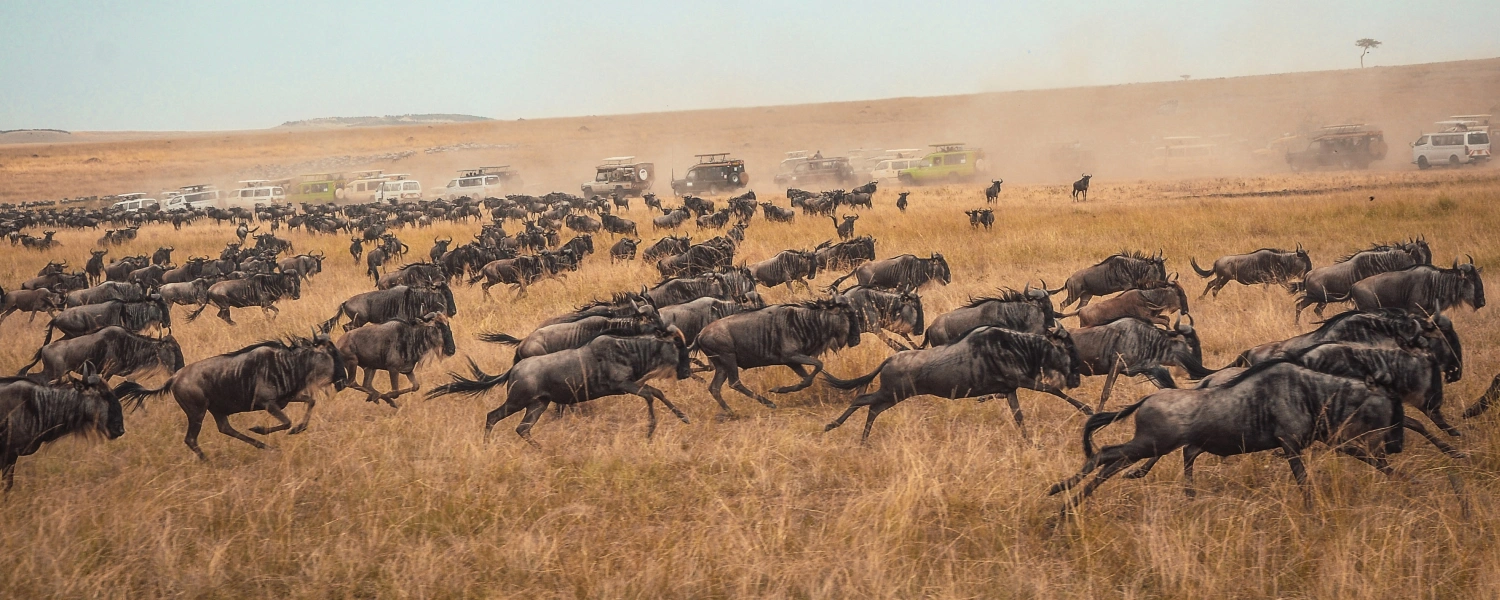
You will enter the Serengeti at around noon and spend the rest of your afternoon exploring its world renowned endless plains in search of one of the greatest wildlife spectacles in the world, the great annual migration. After your game drive you will be taken to your tented camp/lodge where you will be spending the night.
Day 3: Serengeti National Park
Full-day game drive
The early morning game drive takes you once again into the protected Serengeti refuge. The breathtaking savannah serves as a stunning backdrop to a diverse and abundant wildlife population throughout the entire year. Upon your return to the camp, enjoy a leisurely lunch and some relaxation time before embarking on the afternoon game drive. Tonight, after dinner, listen to the sounds of the wilderness and gaze at the changing colors of the African skies. Do the hyenas sound like you expected?
Day 4: Serengeti National Park
After breakfast, we will start our game viewing. The Serengeti is enormous, covering 1,400 km², which is nearly the size of Northern Ireland. During our drive in the central Serengeti, we will only see a small part of it. Known as the heart of Serengeti National Park, we can expect to encounter a wide variety of animals, especially big cats like lions, leopards, and cheetahs. After the game drive, we will enter the Ngorongoro Conservation Area for dinner and overnight. We suggest wearing warm clothes and bringing light gloves because it can get quite chilly and windy in the highlands
Meals: breakfast, lunch, and dinner included
Day 5: Serengeti to Ngorongoro Crater
Another early morning start awaits as you head to the Ngorongoro Crater, one of the new Seven Natural Wonders of Africa. The Ngorongoro Crater not only boasts breathtaking scenery but also serves as the home to over 25,000 wild creatures. You might even be lucky enough to spot the Big 5 here. Estimates suggest approximately 7,000 wildebeest, 4,000 zebras, 3,000 eland, 3,000 gazelles, 600 hyenas, 200-300 elephants, over 60 lions, 30 rhinos, and many other species inhabit this relatively small area. Therefore, I hope your camera is charged and ready to go. The crater itself is about 610 meters deep and covers 260 square kilometers, providing us with ample opportunities to catch sight of these favorite animals.
While overnight stays are not permitted within the crater, we will set up camp very close to the crater rim. This location can get quite cold due to the altitude (7,500 feet or 2,286 meters), so be sure to pack thermal pajamas. A knit cap and light gloves may also come in handy since it tends to be windy.
Meals: breakfast, lunch, and dinner or brunch and dinner included
Day 6: Lake Manyara National Park
The final day of the drive takes us to Lake Manyara, one of the smaller and underrated national parks in Tanzania. It is an unspoiled paradise of groundwater forest fed by underground springs and teeming with wildlife, such as elephants, hippos, giraffes, buffaloes, antelopes, and some of the largest baboon troops in Africa. The birdlife is spectacular year-round, home to more than a hundred species of birds, each with its own unique plumage. While sitting or standing in your vehicle, be sure to look above you as well as on the ground if you want to spot those lions; they are well-known for sleeping high in the trees at Lake Manyara. Departing at 7:00 a.m., you will enjoy a morning trying to spot your favorite animals before heading back to Moshi/Airport around 3 p.m.
These months offer the warmest conditions, with clear skies typically in the mornings and evenings. Light clouds may develop during the day, occasionally obscuring the summit by the afternoon. It’s an ideal time to climb for those who appreciate pleasant temperatures and stunning, unobstructed views.
The long rainy season begins in April and continues through May, bringing heavy rainfall to the lower slopes and snowstorms at the summit. During this time, the mountain is frequently shrouded in dense clouds, limiting visibility and obscuring the scenic views. Climbing conditions can be challenging, so it’s generally advisable to avoid attempting a climb during this period.
This period is the driest and among the most popular times to climb Mount Kilimanjaro. Clear skies are common, providing excellent visibility and ideal trekking conditions. While the days are generally pleasant, temperatures can drop significantly at night, particularly at higher elevations.
From late October through November, short rains bring increased cloud cover and wetter conditions. Although climbing is still possible during this time, the mountain is frequently obscured by clouds, and the rain can make the trek more challenging and less enjoyable.
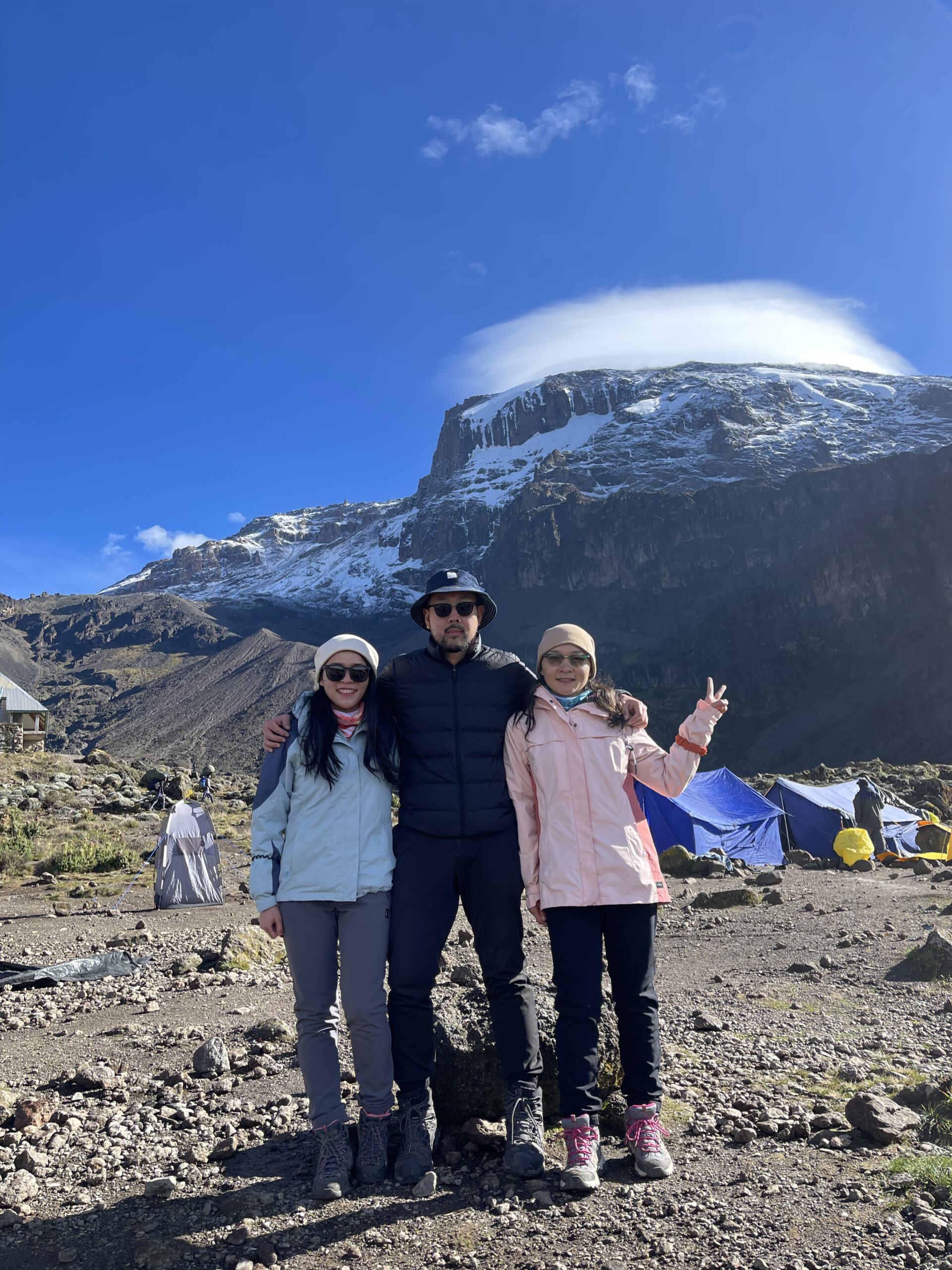
Climb2Kili Adventures delivered an unforgettable journey filled with cultural richness, breathtaking landscapes, and genuine hospitality. The guides were professional, engaging, and made every moment meaningful.
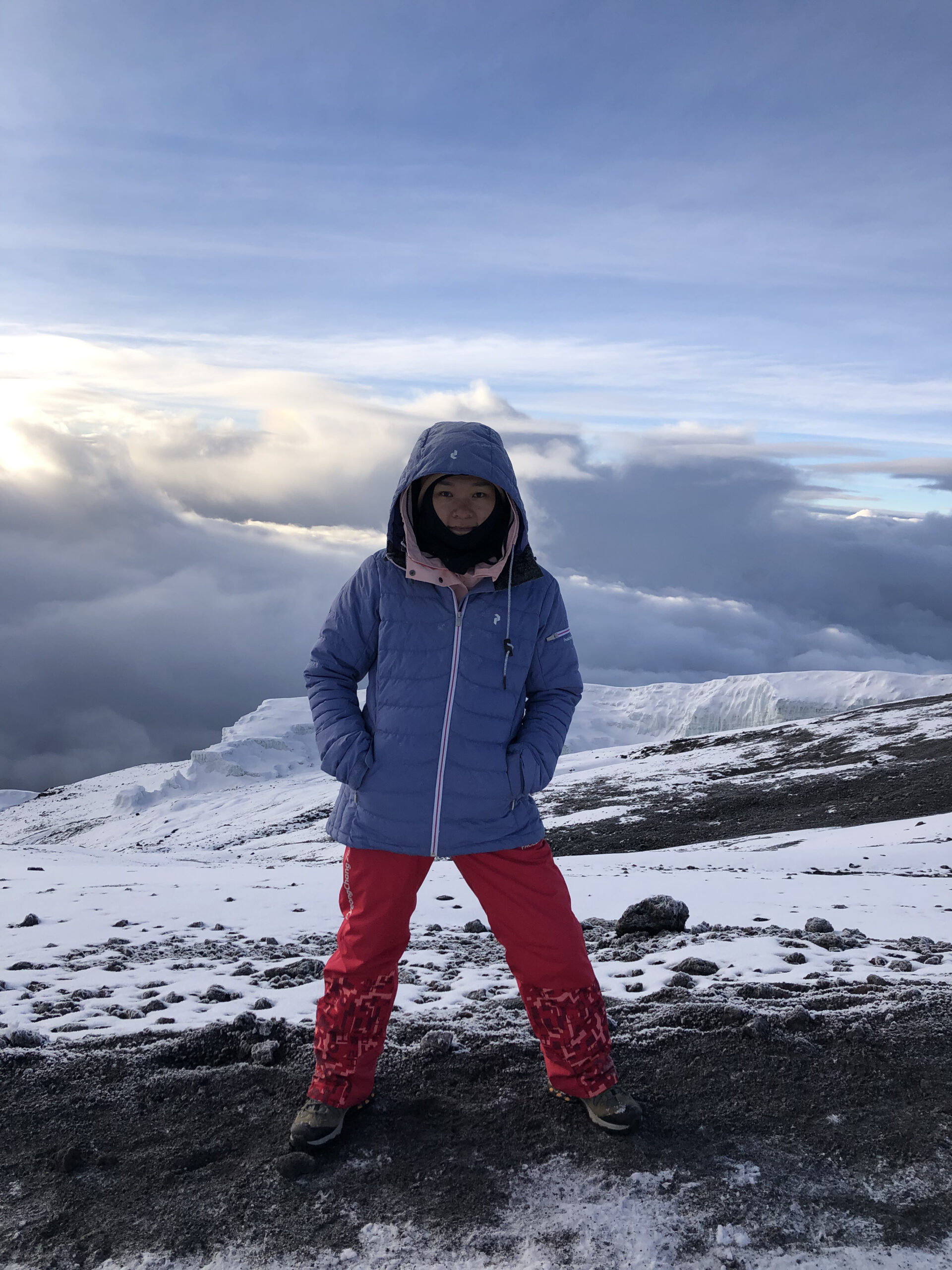
From start to finish, everything was perfectly organized. Climb2Kili Adventures showed us hidden gems and local culture in a way that felt real and unforgettable.
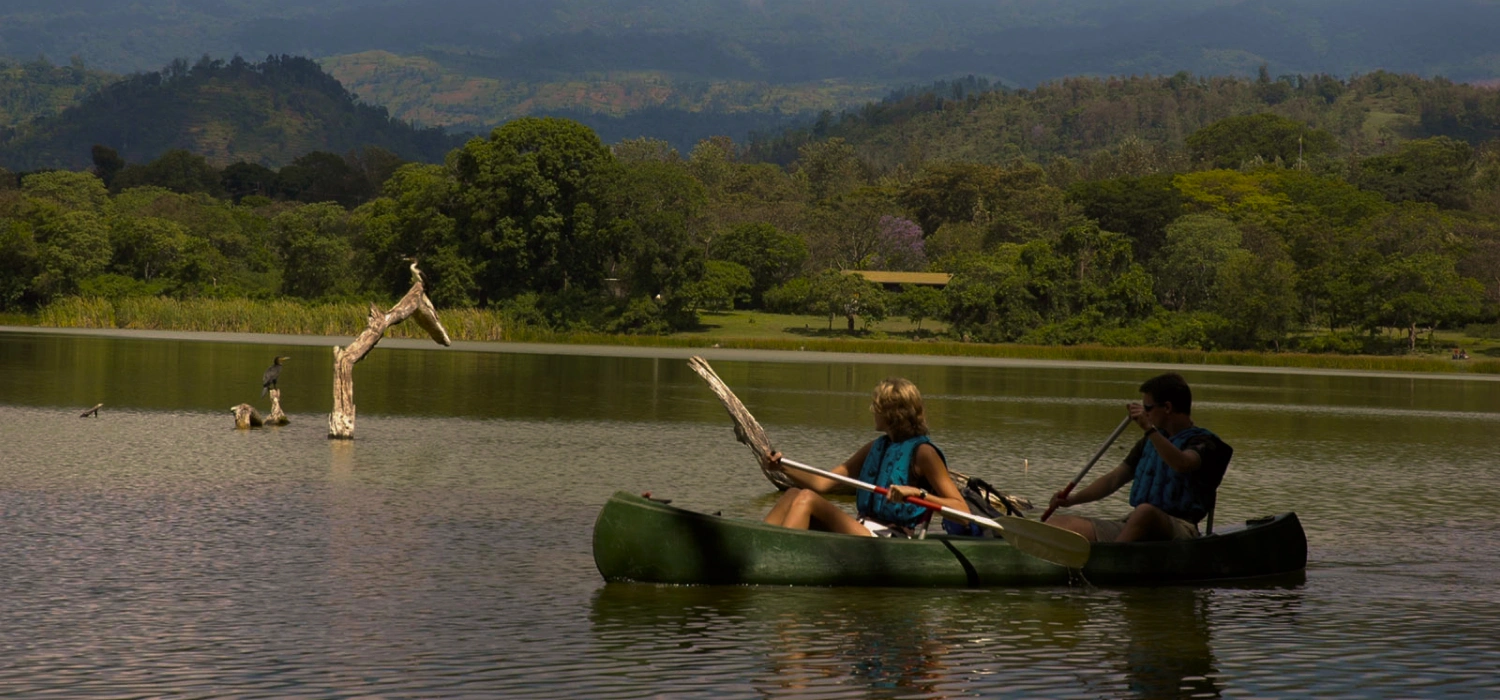
A truly immersive experience! I loved how the team connected us with local traditions and people. It felt like traveling with friends who know the land.
The perfect combination of adventure, learning, and relaxation. Climb2Kilis Adventures exceeded expectations with friendly guides, unique activities, and a strong focus on local authenticity.

Excellent service and thoughtful planning throughout the trip. Climb2Kili Adventures gave us deep insights into local life while ensuring we were always comfortable and safe.