
Kilimanjaro Itinerary Comparison
Compare Kilimanjaro itineraries by price, altitude, scenery, summit success, weather, camping, huts, food, guides, and routes.
Kilimanjaro Itinerary Comparison
Every Mount Kilimanjaro itinerary offers a completely different mountain experience. Some routes prioritize scenic landscapes and gradual acclimatization, while others focus on speed, comfort, remote wilderness, or challenging summit adventures. At Climb2Kili Adventures, we guide climbers across all major Kilimanjaro routes including Machame, Lemosho, Marangu, Rongai, Northern Circuit, Umbwe, and Shira. Choosing the right itinerary depends on your fitness level, altitude experience, travel style, budget, and summit goals. This complete Kilimanjaro itinerary comparison guide covers route prices, elevation profiles, altitude adaptation, summit success rates, mountain weather, scenic diversity, ecological zones, ascent and descent trails, hut versus camping accommodation, food systems, water support, mountain crews, summit base camps, and overall trekking experience.
Best Acclimatization
Longer itineraries improve altitude adaptation and summit success.
- Northern Circuit
- Lemosho 8 Days
- Gradual elevation gain
Best Scenic Experience
Southern routes offer dramatic landscapes and glaciers.
- Barranco Valley
- Shira Plateau
- Lava Tower
Most Comfortable
Marangu offers hut accommodation instead of camping.
- Mountain huts
- Shared dormitories
- Sheltered sleeping
Most Remote
Northern Circuit provides quieter wilderness trekking.
- Remote northern slopes
- Low traffic
- Panoramic views
Fastest Summit Push
Umbwe is steep and aggressive with rapid ascent.
- Steep approach
- Experienced trekkers
- Challenging climb
Best All-Round Route
Lemosho balances scenery, success, and pacing.
- Excellent acclimatization
- Beautiful landscapes
- Premium trekking experience
Kilimanjaro Itinerary Overview
Price and Trekking Value
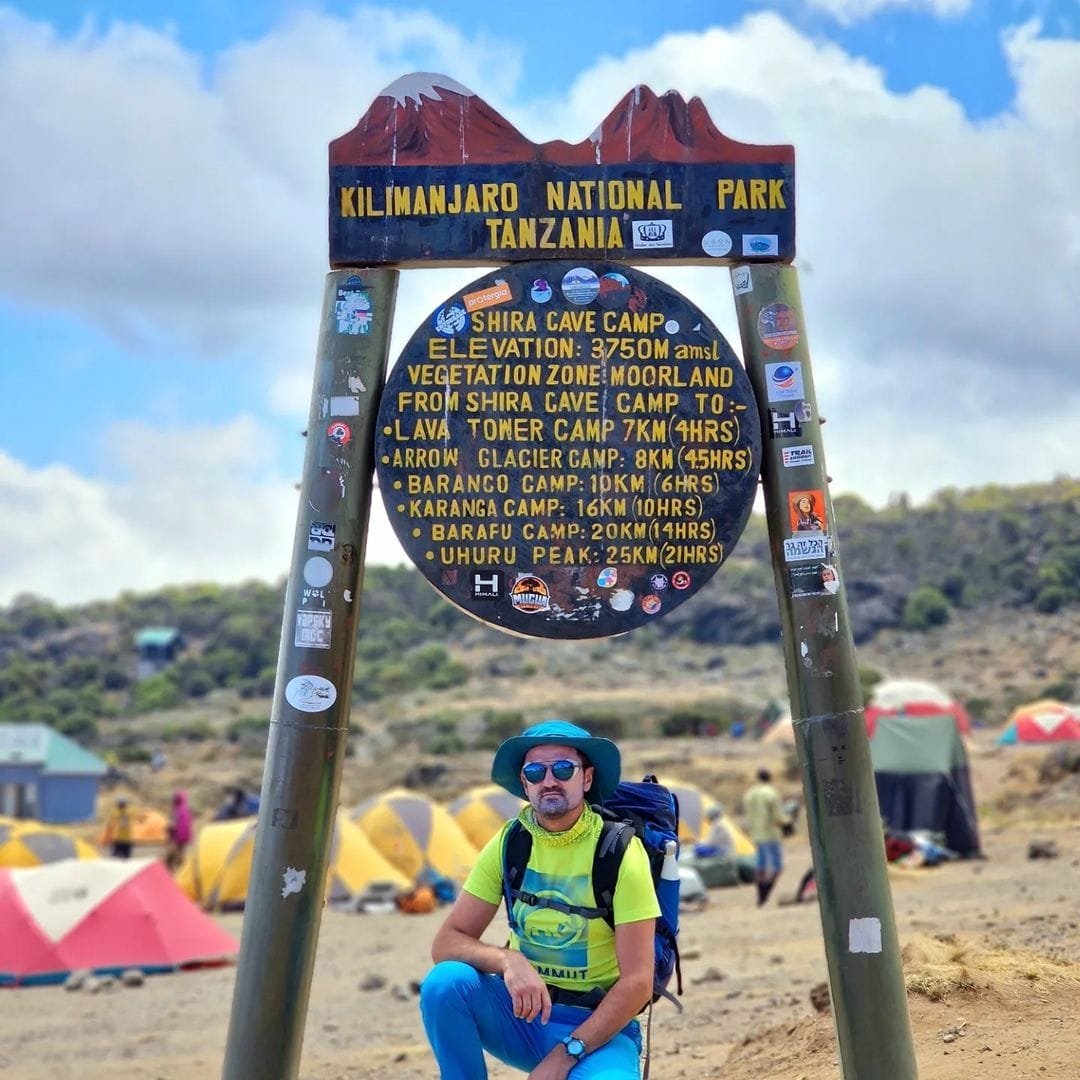
Kilimanjaro itinerary prices depend on route duration, park fees, crew size, accommodation style, logistics, and level of support. Short itineraries such as Marangu 5 Days or Umbwe 5 Days are generally cheaper because they require fewer park fees and fewer mountain days. However, shorter climbs usually have lower summit success rates because climbers acclimatize faster. Longer itineraries like Northern Circuit and Lemosho 8 Days cost more but provide better acclimatization, improved safety margins, stronger summit success rates, and a richer mountain experience. At Climb2Kili Adventures, all itineraries include professional mountain guides, porters, chef services, camping equipment or hut logistics, purified water, meals, rescue readiness, and safety monitoring throughout the climb.
| Route | Price Range | Ideal For |
|---|---|---|
| Marangu 5 Days | Budget-Friendly | Comfort-focused trekkers |
| Machame 7 Days | Mid-Range | Scenic adventure seekers |
| Lemosho 8 Days | Premium | Balanced premium experience |
| Northern Circuit | Higher-End | Maximum summit success |
| Rongai 7 Days | Mid-Range | Quiet route preference |
| Umbwe 5 Days | Budget to Mid | Experienced climbers |
Elevation, Altitude, and Summit Success
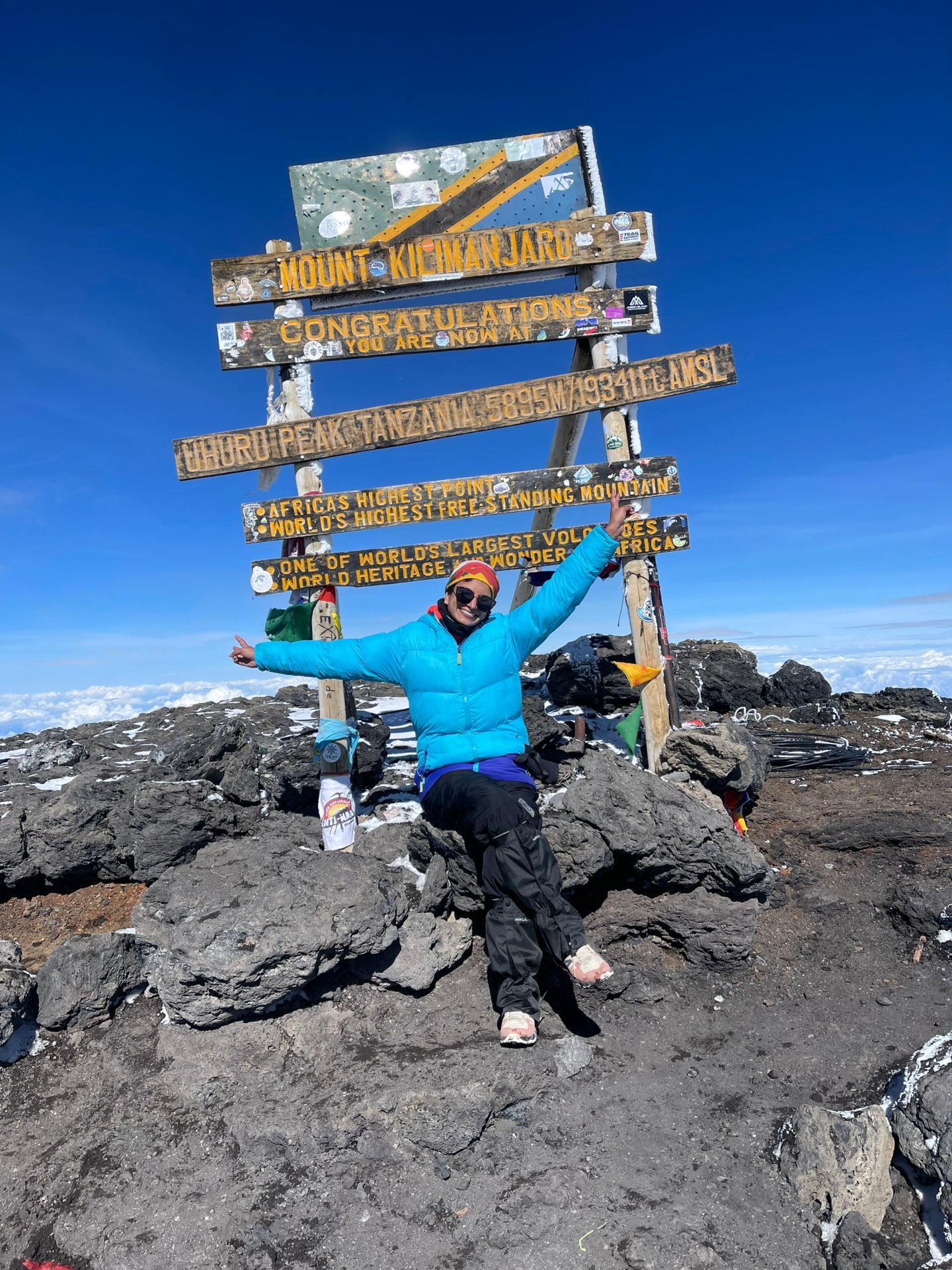
Although all routes lead to Uhuru Peak at 5,895 meters, the altitude profiles and acclimatization quality vary greatly. Longer itineraries provide gradual altitude gain and allow climbers to adapt better to high elevations. This is why Lemosho 8 Days and Northern Circuit achieve some of the highest summit success rates on Kilimanjaro. Summit approaches usually pass through Stella Point or Gilman’s Point before reaching Uhuru Peak at sunrise. Southern routes such as Machame and Lemosho typically summit from Barafu Camp, while Marangu uses Kibo Hut and Rongai often uses School Hut. Altitude sickness remains the greatest challenge on Kilimanjaro, making proper pacing, hydration, nutrition, and acclimatization essential for every itinerary.
Scenery, Nature, and Ecological Zones
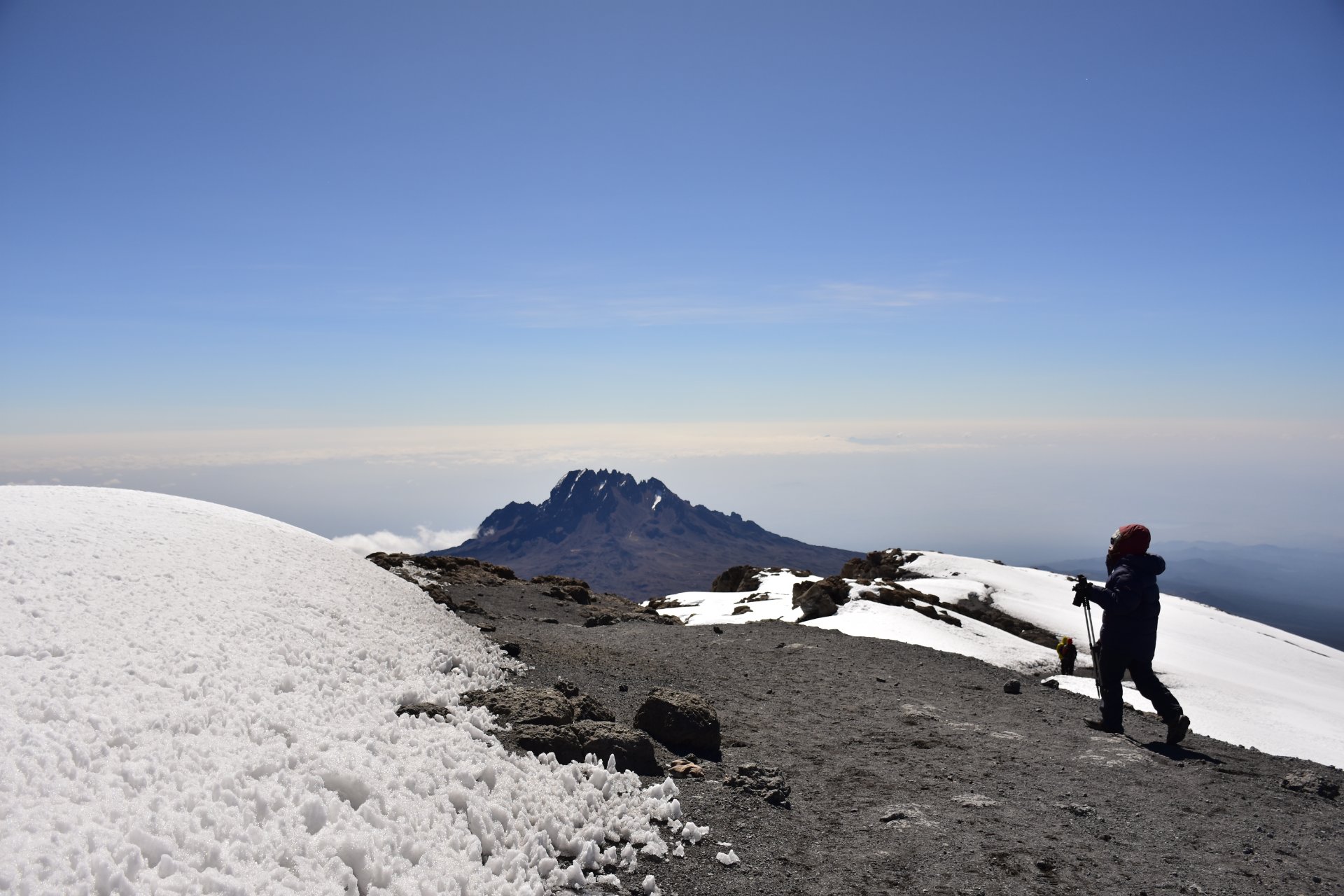
Mount Kilimanjaro is famous for its extraordinary ecological transitions. Climbers move through rainforest, moorland, alpine desert, and Arctic summit zones within a single expedition. Lemosho and Machame itineraries are considered the most scenic because they cross the Shira Plateau, Lava Tower, Barranco Wall, and southern glacier zones. Rongai approaches Kilimanjaro from the northern side near Kenya, offering drier weather and excellent views of Mawenzi Peak. Northern Circuit circles remote northern slopes, providing the most complete wilderness experience on the mountain. Marangu Route is lush and historic but follows the same ascent and descent trail, reducing overall landscape variety.
Rainforest Zone
Dense tropical forest at lower elevations.
- Blue monkeys
- Rainforest birds
- Moist climate
Moorland Zone
Wide landscapes with giant groundsels.
- Heather plants
- Open valleys
- Cool conditions
Alpine Desert
Dry volcanic landscapes near summit camps.
- Rocky terrain
- Thin air
- Extreme exposure
Arctic Summit Zone
Frozen summit environment near Uhuru Peak.
- Glaciers
- Ice fields
- High-altitude sunrise
Weather Conditions by Route Side
Weather conditions on Kilimanjaro vary depending on route location and season. Southern routes including Machame, Lemosho, Umbwe, and Shira receive more rainfall because of moisture from the Indian Ocean. These itineraries feature greener vegetation and dramatic cloud formations. Northern routes such as Rongai and Northern Circuit are drier and often preferred during wetter months. The best climbing periods are January to March and June to October when weather conditions are generally more stable and summit visibility improves.
Kilimanjaro Itinerary Ratings
Relative scores for storytelling — pair with your own context in surrounding paragraphs.
Camping, Huts, Water, and Food
Most Kilimanjaro itineraries use mountain camping with expedition tents, dining tents, kitchen setups, and portable toilets supported by professional crews. Marangu Route remains the only itinerary with permanent mountain huts. Climbers sleep in shared dormitory-style huts at Mandara Hut, Horombo Hut, and Kibo Hut. Climb2Kili Adventures provides mountain chefs on every itinerary. Meals include soups, rice, pasta, fruits, vegetables, eggs, meats, tea, coffee, and snacks designed for high-altitude energy and recovery. Water is collected from mountain sources and purified before drinking. Proper hydration is one of the most important factors for altitude adaptation and summit success.
| Feature | Camping Routes | Marangu Route |
|---|---|---|
| Sleeping | Mountain tents | Mountain huts |
| Dining | Private dining tents | Shared dining halls |
| Water | Purified mountain water | Purified mountain water |
| Chef Service | Professional mountain chef | Professional mountain chef |
| Comfort Level | Adventure camping | Extra shelter and comfort |
Mountain Guides, Porters, and Crew
Professional mountain crews are the heart of every Kilimanjaro expedition. Mountain guides lead the climb, monitor health conditions, coordinate summit strategy, and ensure safe acclimatization pacing. Porters transport camping equipment, food, water, and duffel bags, while mountain chefs prepare nutritious meals throughout the trek. At Climb2Kili Adventures, our mountain teams come from local communities around Moshi and Arusha. Their experience across Machame, Lemosho, Marangu, Rongai, Umbwe, and Northern Circuit routes creates a safe and authentic climbing experience. The teamwork between climbers and crew members becomes one of the most memorable parts of the Kilimanjaro journey.
Ascending and Descending Routes
Different Kilimanjaro itineraries use unique ascent and descent combinations. Machame, Lemosho, Umbwe, and Shira usually descend via Mweka Route after summiting from Barafu Camp. Rongai and Northern Circuit often descend through Marangu Route after summiting from School Hut. Marangu Route is unique because climbers ascend and descend using the same trail. Using different descent routes helps reduce congestion inside Kilimanjaro National Park while allowing climbers to experience changing landscapes during the expedition.
Northern Circuit and Lemosho 8 Days have the highest summit success rates because of gradual acclimatization.
Lemosho and Machame are excellent for beginners because they balance scenery, pacing, and acclimatization.
Marangu Route is the only Kilimanjaro route with mountain huts instead of camping.
Lemosho and Machame are widely considered the most scenic Kilimanjaro itineraries.
Northern Circuit and Rongai offer quieter trekking experiences with fewer climbers.
Yes. Guided climbs include licensed mountain guides, porters, and mountain chefs.
Yes. All official Kilimanjaro routes lead to Uhuru Peak at 5,895 meters.
Yes. Meals, snacks, and purified drinking water are included throughout the expedition.
Find Your Perfect Kilimanjaro Itinerary
Our Kilimanjaro experts will help you choose the ideal route based on your fitness, experience, travel style, and summit goals.
Plan Your Climb