
Kilimanjaro Altitude Sickness. What you need to know.
Learn about Kilimanjaro altitude sickness symptoms, prevention, acclimatization, and summit success tips for safe climbing.
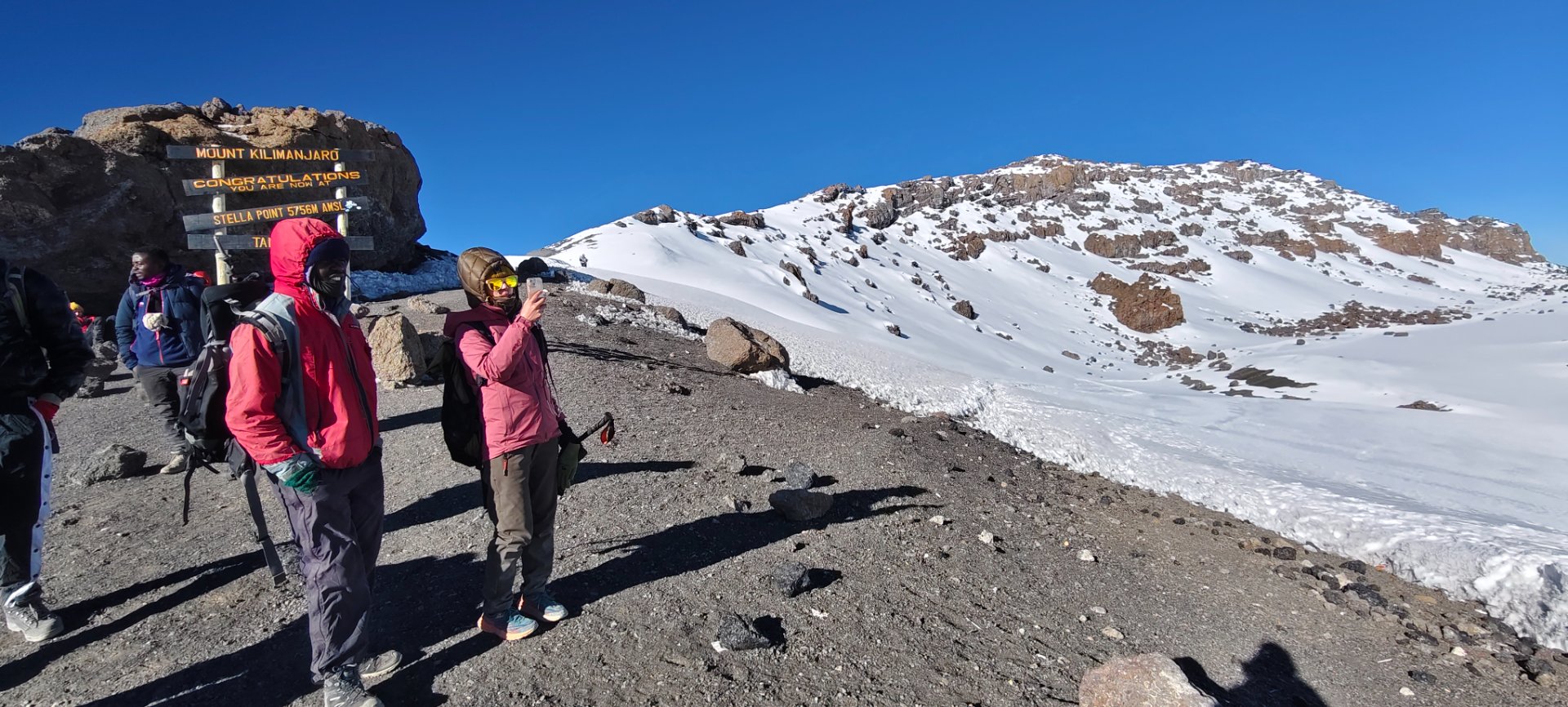
Altitude sickness is one of the biggest challenges climbers face on Mount Kilimanjaro. Unlike technical mountains that require ropes or climbing skills, Kilimanjaro’s greatest difficulty comes from its extreme elevation. Uhuru Peak stands at 5,895 meters above sea level, where oxygen levels are significantly lower than at sea level. At Climb2Kili Adventures, altitude safety is central to every climb. Proper acclimatization, professional guides, gradual ascent pacing, hydration, and route selection all play major roles in improving summit success while reducing altitude-related risks.
Why Altitude Sickness Happens
Low Oxygen Levels
Higher elevation means thinner air and reduced oxygen availability.
- Less oxygen intake
- Harder breathing
- Faster fatigue
Rapid Ascent
Climbing too quickly prevents the body from adapting properly.
- Short itineraries riskier
- Poor acclimatization
- Higher AMS chance
Dehydration
Dry mountain air increases fluid loss during trekking.
- Headache risk
- Reduced performance
- Energy loss
Poor Acclimatization
Skipping rest and pacing increases altitude stress.
- Body needs adaptation time
- Sleep affected
- Lower summit chances
Common Symptoms of Altitude Sickness
Mild altitude symptoms are relatively common on Kilimanjaro, especially during summit night near Stella Point and Gilman’s Point. However, severe symptoms should never be ignored. Professional mountain guides continuously monitor climbers for warning signs of AMS, High Altitude Pulmonary Edema (HAPE), and High Altitude Cerebral Edema (HACE). Rapid descent is the most effective treatment for severe altitude illness.
Best Routes for Acclimatization
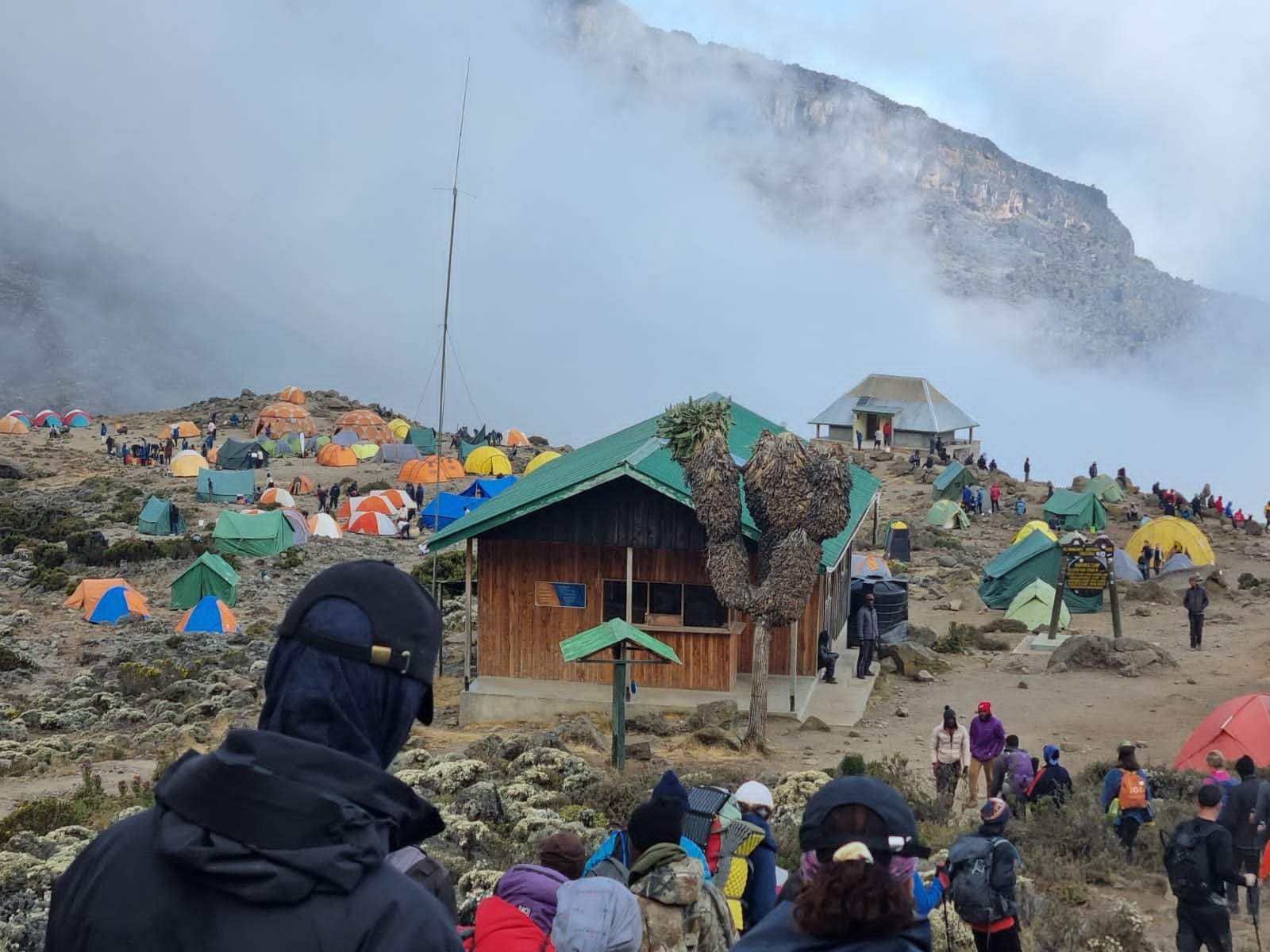
Longer Kilimanjaro routes provide better acclimatization because climbers gain altitude gradually. Northern Circuit and Lemosho Route are highly recommended because they include additional trekking days that help the body adapt naturally. Shorter itineraries increase the risk of altitude sickness because climbers ascend too quickly without adequate recovery time. Choosing a longer route significantly improves summit success rates.
How to Prevent Altitude Sickness
Choose Longer Routes
7-9 day itineraries provide stronger acclimatization.
Walk Slowly
The famous Kilimanjaro pace is 'pole pole' — slowly, slowly.
Stay Hydrated
Drink enough water throughout the climb.
Listen to Guides
Experienced mountain crews monitor your health daily.
Altitude Zones on Kilimanjaro
| Zone | Elevation | Conditions | Altitude Impact |
|---|---|---|---|
| Rainforest | 1,800-3,000m | Warm and humid | Minimal |
| Moorland | 3,000-4,000m | Cool and windy | Mild symptoms possible |
| Alpine Desert | 4,000-5,000m | Dry and cold | Moderate AMS risk |
| Arctic Summit | 5,000-5,895m | Freezing conditions | High altitude stress |
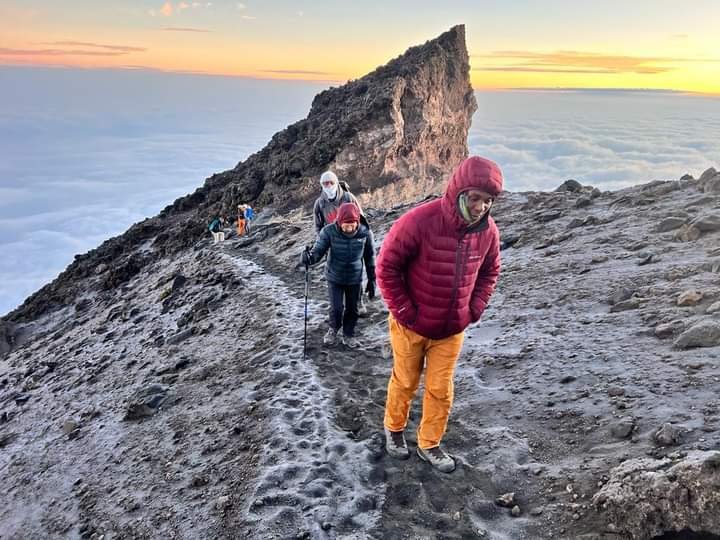
As climbers move higher on Kilimanjaro, oxygen availability decreases significantly. Many climbers first notice mild AMS symptoms near Lava Tower or Barranco Camp around 4,000 meters. Summit night is the most demanding section because climbers ascend from high camp toward Uhuru Peak in freezing temperatures with very low oxygen levels. Slow pacing and mental focus become extremely important.
Can Fitness Prevent Altitude Sickness?
Fitness Helps
Strong cardio fitness improves trekking endurance.
- Better recovery
- Improved stamina
- Stronger hiking pace
Altitude Affects Everyone
Even elite athletes can experience AMS symptoms.
- No guaranteed immunity
- Genetics matter
- Hydration important
Mental Preparation
Summit night requires patience and determination.
- Cold conditions
- Long hiking hours
- Low oxygen challenge
Guide Support
Professional crews improve safety and success.
- Health monitoring
- Emergency protocols
- Motivation support
Frequently Asked Questions
FAQ search
Answers without the scroll
Mild AMS symptoms are common, especially above 3,500 meters, but severe cases are less common with proper acclimatization.
Northern Circuit and Lemosho Route provide the best acclimatization profiles.
Many climbers use Diamox to assist acclimatization, but travelers should consult a doctor before use.
Immediate descent is the most effective treatment for severe altitude illness.
Good fitness helps endurance, but altitude sickness can affect anyone regardless of fitness level.
Walking slowly helps conserve energy and improves acclimatization at high altitude.
Climb Kilimanjaro Safely With Expert Guides
Climb2Kili Adventures specializes in acclimatization-focused Kilimanjaro climbs with experienced local mountain crews and strong summit success rates.
Plan Your Climb