
How to Train for Kilimanjaro
Learn how to prepare for Mount Kilimanjaro with hiking, cardio, strength training, and altitude tips from Tanzania experts.
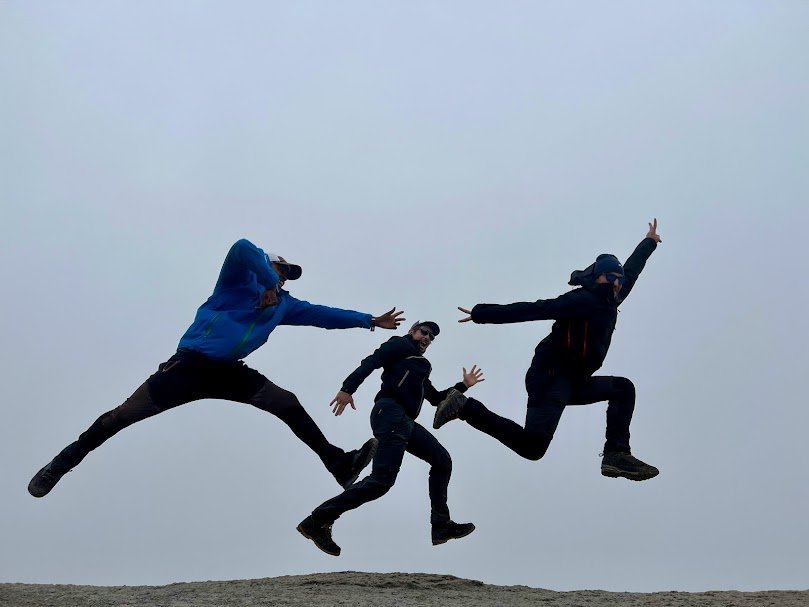
Why Training Matters for Kilimanjaro
Mount Kilimanjaro is Africa’s highest mountain and one of the world’s most iconic trekking adventures. Although the climb does not require ropes or technical mountaineering skills, summit day is physically demanding due to altitude, cold temperatures, and long hiking hours. At Climb2Kili Adventures, we see the strongest summit success rates from climbers who focus on endurance rather than speed. Preparing your lungs, legs, and mindset before arriving in Moshi or Arusha makes the experience safer, more comfortable, and far more enjoyable. Routes such as Machame Route, Lemosho Route, and Northern Circuit reward climbers who arrive with consistent cardio fitness and hiking stamina.
Build Endurance
Prepare for multiple long hiking days at altitude.
- Long walking sessions
- Steady uphill movement
Improve Altitude Tolerance
Strong cardio helps your body perform better on summit day.
- Better oxygen efficiency
- Improved recovery pace
Strengthen Your Legs
Reduce fatigue during steep sections and summit push.
- Hill climbing strength
- Joint stability support
Boost Mental Confidence
Training creates discipline and resilience for the mountain.
- Positive summit mindset
- Better pacing control
Best Exercises for Kilimanjaro Training
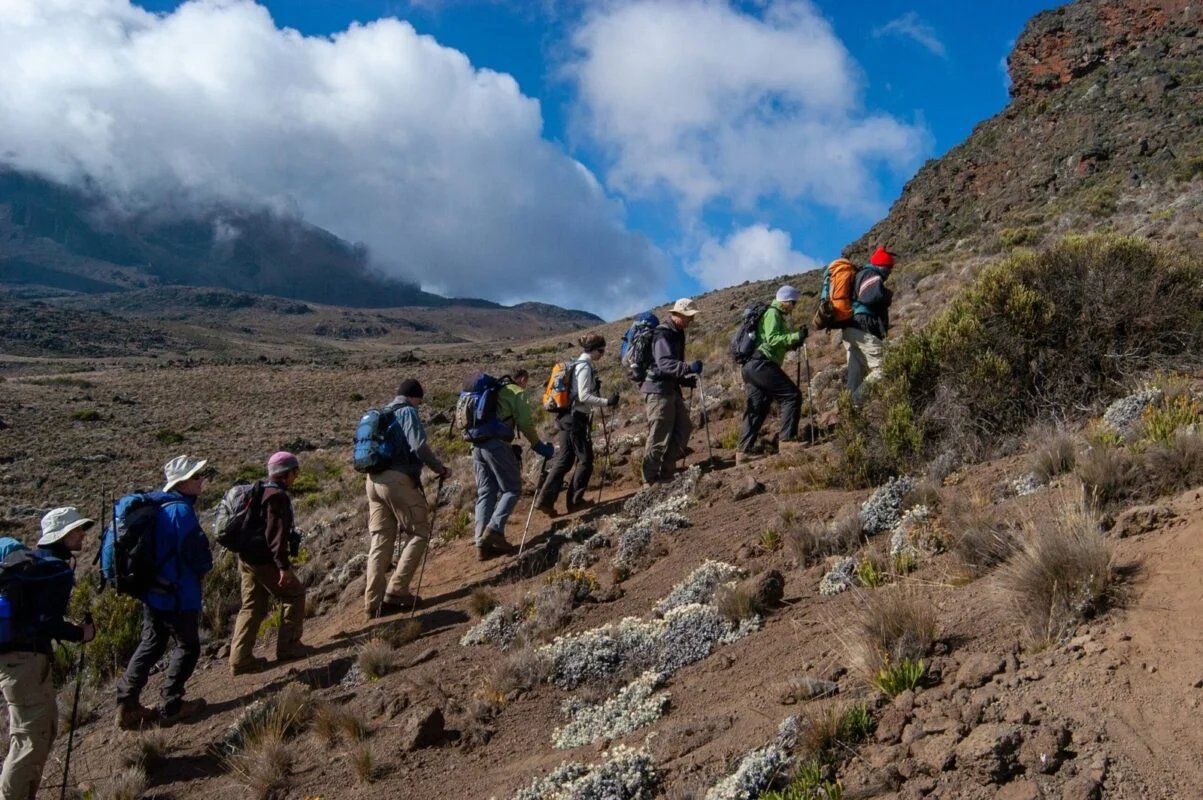
The best Kilimanjaro training combines hiking practice, cardio conditioning, and strength work. The goal is to simulate long trekking days while gradually improving endurance. If you live in a flat city, stair workouts are one of the most effective alternatives. Walking stairs with a light backpack closely mimics the physical effort required between camps on Kilimanjaro National Park trails. Outdoor hiking remains the gold standard. Even one long hike every weekend can dramatically improve your summit preparation.
| Training Type | Recommended Frequency | Main Benefit |
|---|---|---|
| Hiking | 1 long session weekly | Mountain endurance |
| Cardio | 3-4 times weekly | Heart and lung fitness |
| Strength Training | 2-3 times weekly | Leg and core strength |
| Stair Workouts | 1-2 times weekly | Climbing stamina |
| Stretching | Daily | Mobility and recovery |
8-Week Kilimanjaro Training Plan
Itinerary builder
Shape the journey by stage
Use each stage to compare route days, safari extensions, rest nights, or Zanzibar add-ons without turning the page into a wall of text.
Selected stage
Cardio Base
Build aerobic endurance with jogging, cycling, or brisk walking.
Training with a Backpack
During your Kilimanjaro trek, you will carry a daypack containing water, rain gear, snacks, and personal essentials. Training with a backpack helps your shoulders, back, and posture adapt before the climb. Start with light weight and slowly increase over time. Focus on comfort, balance, and maintaining a sustainable walking pace rather than carrying excessive weight.
Week 1-2
Focus on steady cardio and short hikes.
Week 3-4
Add stair climbing and longer walking sessions.
Week 5-6
Increase hiking duration and backpack use.
Week 7-8
Practice recovery pacing and reduce overtraining.
Altitude and Summit Success
Key Kilimanjaro Success Factors
Relative scores for storytelling — pair with your own context in surrounding paragraphs.
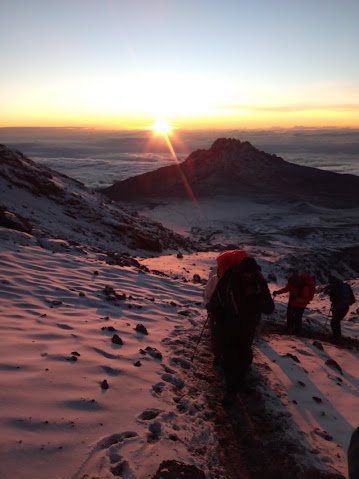
Altitude affects every climber differently. Even experienced hikers can struggle above Stella Point and Gilman’s Point if acclimatization is poor. Choosing routes with gradual elevation gain dramatically improves success rates. At Climb2Kili Adventures, we often recommend Lemosho Route or Northern Circuit for beginners because they provide better acclimatization profiles before reaching Uhuru Peak. The famous Tanzanian mountain phrase “Pole Pole” — meaning slowly slowly — remains the most important summit strategy.
What to Avoid Before Your Climb
Avoid Overtraining
Too much intensity can increase fatigue before your trip.
- Allow recovery days
- Prioritize consistency
Do Not Ignore Hydration
Hydration is essential for altitude preparation.
- Drink regularly
- Reduce alcohol intake
Break In Your Boots
Never bring brand-new hiking boots to Kilimanjaro.
- Prevent blisters
- Improve comfort
Avoid Fast Pacing
Summit success depends on controlled pacing.
- Walk slowly
- Maintain energy reserves
Best Kilimanjaro Routes for Beginners
Every route on Mount Kilimanjaro offers a different experience. Lemosho Route provides scenic wilderness and excellent acclimatization. Machame Route combines dramatic landscapes with strong summit success. Northern Circuit offers the longest and most gradual approach around Mawenzi Peak and Shira Plateau. Choosing the right route matters just as much as physical training.
FAQ search
Answers without the scroll
Yes. Thousands of beginners successfully summit Kilimanjaro every year with proper preparation, pacing, and acclimatization.
Most climbers should train for at least 8 to 12 weeks before their trek.
Long hiking sessions combined with cardio and stair training provide the best preparation.
No. Outdoor walking, hills, stairs, and bodyweight exercises are highly effective.
Lemosho Route and Northern Circuit are often considered the best beginner-friendly routes because of their acclimatization profiles.
Start Preparing for Your Kilimanjaro Adventure
Talk with Climb2Kili’s Tanzania mountain experts about routes, preparation, and summit strategy.
Plan Your ClimbNeed Help Choosing the Right Route?
We help climbers choose the best Kilimanjaro route based on fitness, experience, and travel goals.
Contact Our Team