
Tanzania FAQs
Answers to the most common questions about Tanzania travel, Kilimanjaro, safaris, visas, culture, safety, living, and investing.
Kilimanjaro Adventures
World-famous trekking routes and summit experiences.
- Machame & Lemosho routes
- Uhuru Peak expeditions
Safari Experiences
Wildlife safaris across northern Tanzania.
- Serengeti & Ngorongoro
- Big Five game drives
Culture & Lifestyle
Discover Tanzanian traditions, people, and daily life.
- Swahili culture
- Maasai experiences
Travel & Living
Helpful answers for visitors, students, and expats.
- Safety and visas
- Cost of living insights
Traveling to Tanzania
FAQ search
Answers without the scroll
Yes. Tanzania is considered one of the safer travel destinations in East Africa, especially in tourism areas such as Moshi, Arusha, Serengeti, Ngorongoro Crater, and Zanzibar. Like any destination, visitors should use normal travel awareness, avoid displaying valuables openly, and use trusted tour operators and transportation.
Most international travelers require a Tanzania tourist visa. Many nationalities can obtain a visa on arrival or apply online before travel. Requirements vary depending on nationality.
The best travel seasons are January to March and June to October. These months offer excellent safari conditions, Kilimanjaro climbing weather, and clear Zanzibar beach conditions.
The Tanzanian Shilling (TZS) is the local currency, though US dollars are widely accepted in tourism services such as safaris, Kilimanjaro climbs, and Zanzibar hotels.
Yes, major hotels and tourism businesses accept credit cards, though some smaller businesses and local markets operate mainly with cash or mobile payments.
Yes. English is widely spoken in tourism, business, and education sectors, while Swahili is the national language.
Mount Kilimanjaro Questions
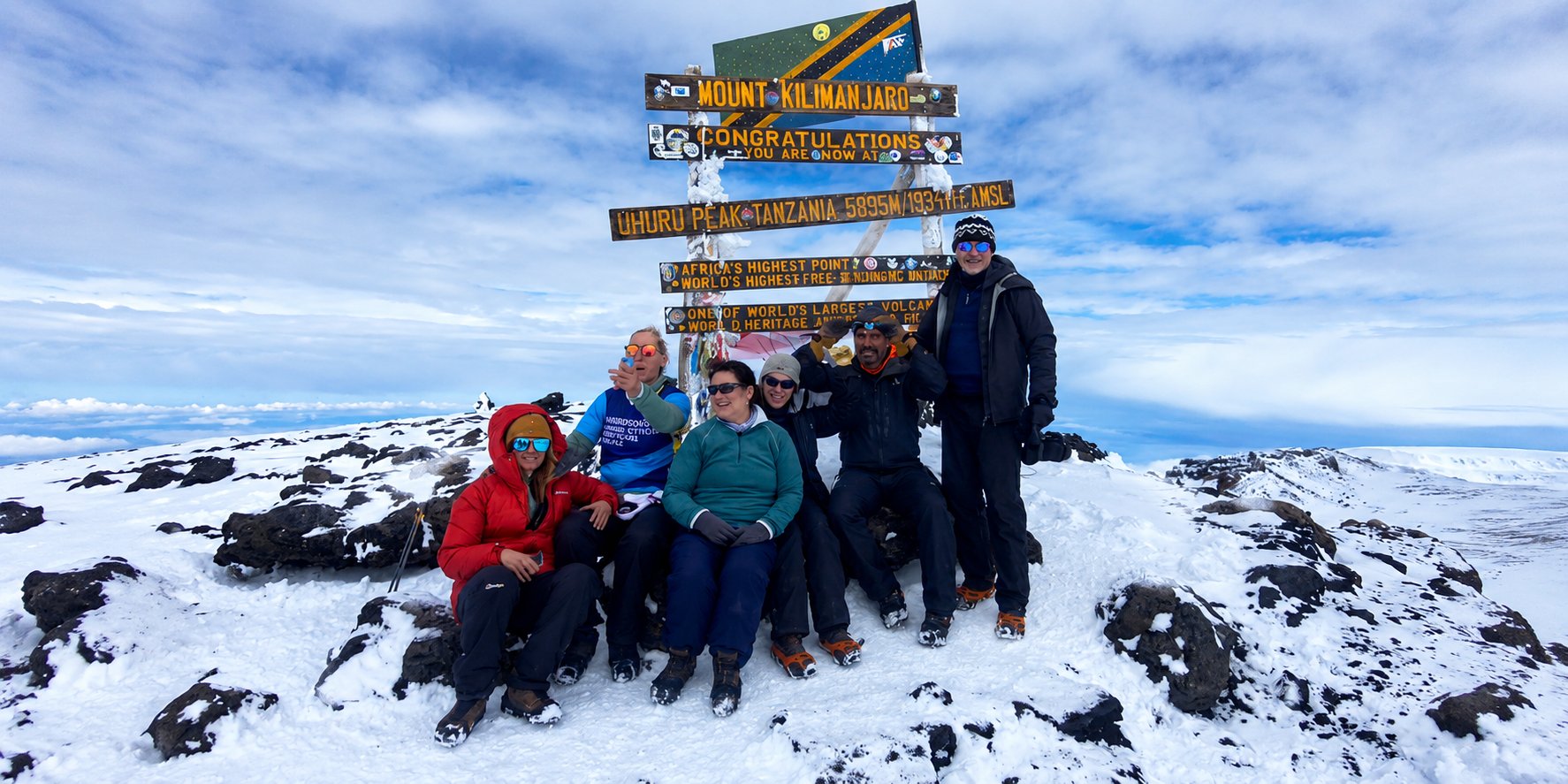
The best route depends on your goals. Lemosho and Northern Circuit are excellent for acclimatization and scenery, Machame is popular for adventure and success rates, Marangu offers hut accommodation, and Rongai is quieter and drier.
Climbing Kilimanjaro is physically demanding but non-technical. Most climbers succeed through good pacing, preparation, hydration, and proper acclimatization.
Longer routes such as Lemosho and Northern Circuit generally have higher summit success rates than shorter itineraries because they allow better altitude adaptation.
Temperatures vary greatly. Rainforest sections are warm and humid while summit night near Uhuru Peak can drop below freezing.
Yes. Thousands of first-time trekkers successfully summit every year with proper preparation and experienced mountain guides.
Altitude sickness happens when the body struggles to adapt to high elevation. Symptoms may include headache, nausea, fatigue, or dizziness. Slow climbing and acclimatization reduce the risk.
Lemosho offers quieter trails and slightly better acclimatization, while Machame is more direct and popular. Both are excellent scenic routes.
Most climbers do not require supplemental oxygen, but professional operators carry emergency oxygen for safety support.
Tanzania Safari Questions
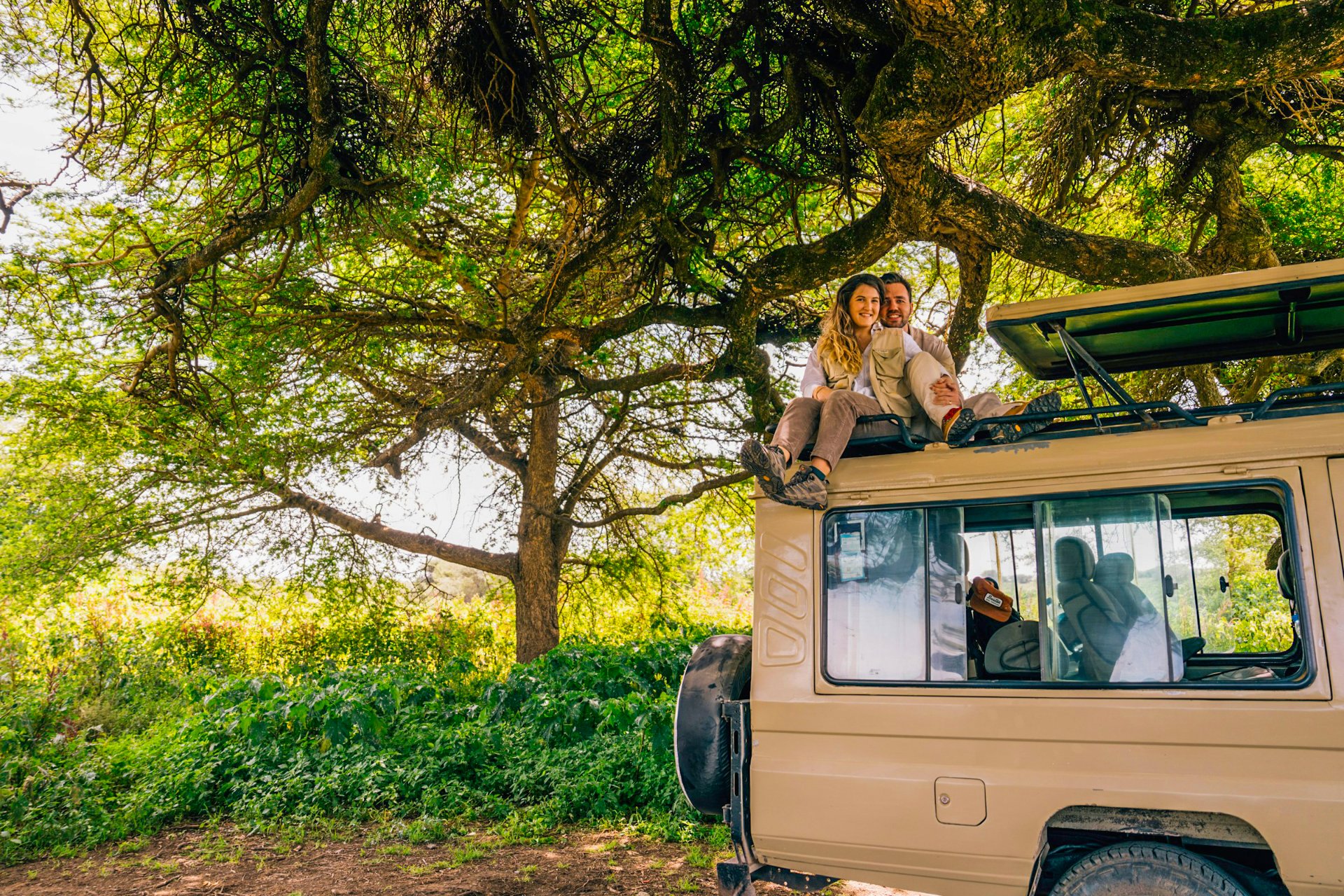
Serengeti National Park is Tanzania’s most famous safari destination, especially for the Great Migration. Ngorongoro Crater offers exceptional Big Five viewing in a compact area, while Tarangire is known for elephants and baobab trees.
A classic northern circuit safari usually lasts between 3 and 7 days depending on destinations and travel pace.
Yes. Many travelers climb Kilimanjaro first and continue with safaris to Serengeti, Ngorongoro Crater, Tarangire, and Lake Manyara.
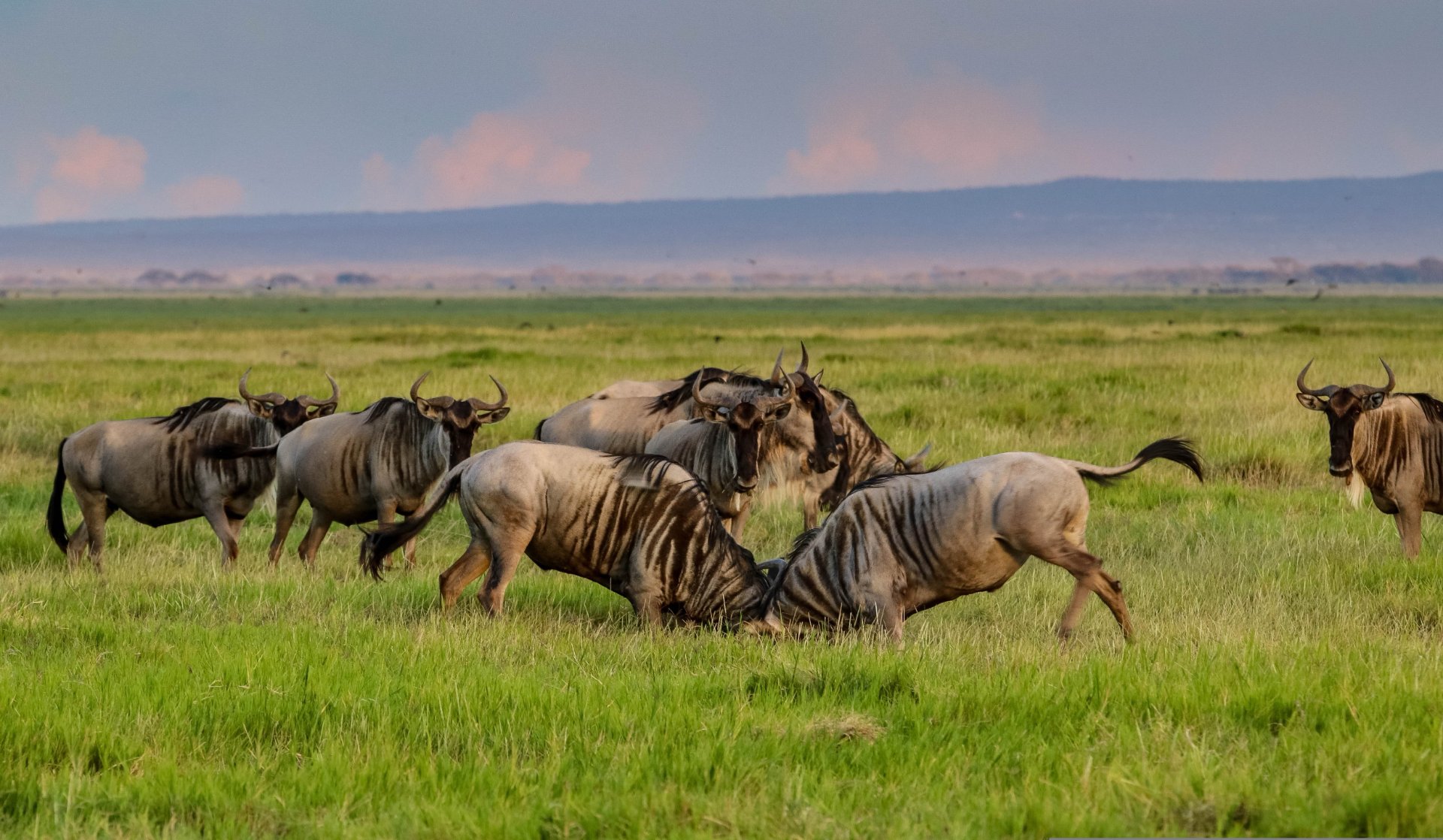
Tanzania is home to the Big Five — lion, elephant, buffalo, leopard, and rhino — along with giraffes, cheetahs, zebras, wildebeest, hippos, crocodiles, and thousands of bird species.
The Great Migration is the seasonal movement of millions of wildebeest and zebras across Serengeti and Kenya’s Maasai Mara ecosystem.
Absolutely. Zanzibar is one of Africa’s best beach destinations and pairs perfectly with Kilimanjaro climbs and wildlife safaris.
Serengeti
Legendary wildlife plains and migration viewing.
Ngorongoro Crater
UNESCO-listed volcanic wildlife sanctuary.
Tarangire
Elephant herds and ancient baobab landscapes.
Zanzibar
Indian Ocean beaches and Swahili coastal culture.
Living, Culture & Daily Life
FAQ search
Answers without the scroll
Many expats enjoy living in Tanzania because of its warm climate, friendly communities, natural beauty, and slower lifestyle. Major expat hubs include Arusha, Moshi, Dar es Salaam, and Zanzibar.
Tanzania can be affordable compared to many Western countries, though luxury tourism experiences such as Kilimanjaro climbs and safaris are premium adventures.
Foreign ownership rules vary, and long-term land rights often involve leases or investment structures. Legal guidance is strongly recommended.
Yes. Tanzania has growing opportunities in tourism, agriculture, real estate, renewable energy, education, and hospitality.
Tanzania is religiously diverse with Christianity and Islam being the largest religions alongside traditional beliefs.
Tanzanian culture is known for hospitality, community values, music, storytelling, traditional dance, and strong Swahili identity.
Yes. Tanzania is welcoming to international visitors and intercultural relationships are common, especially in tourism and urban areas.
Popular Tanzanian foods include nyama choma, pilau rice, ugali, mishkaki, Zanzibar seafood, chipsi mayai, and fresh tropical fruits.
Education, Sports & Experiences
| Interest | Popular Tanzania Experiences |
|---|---|
| Education | Swahili learning, volunteer programs, university exchange |
| Sports | Football, marathon events, climbing Kilimanjaro |
| Culture | Maasai villages, coffee tours, local festivals |
| Adventure | Safari, hiking, diving, hot springs |
| Business | Tourism investment, hospitality, agriculture |
| Lifestyle | Beach living, mountain towns, digital nomad travel |
Planning a Tanzania Trip
Itinerary builder
Shape the journey by stage
Use each stage to compare route days, safari extensions, rest nights, or Zanzibar add-ons without turning the page into a wall of text.
Selected stage
Kilimanjaro Climb
Choose Machame, Lemosho, Rongai, or Northern Circuit.
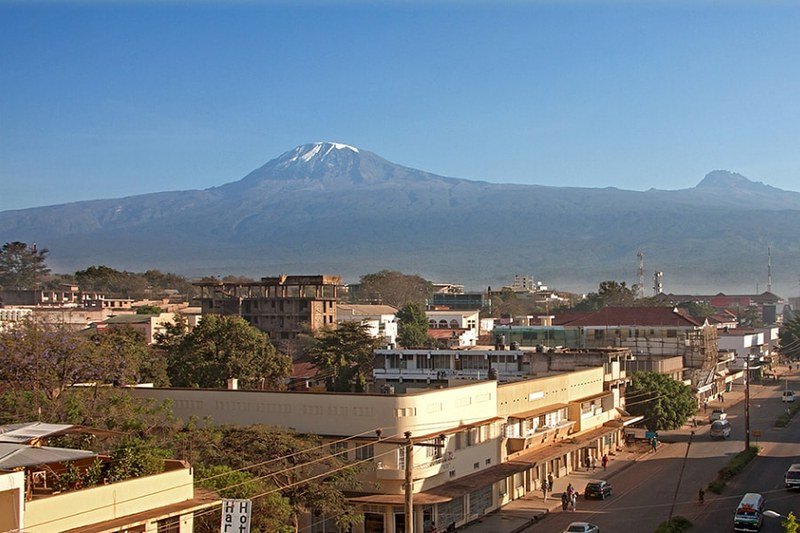
Most international travelers begin their northern Tanzania adventures through Kilimanjaro International Airport near Arusha and Moshi. Many visitors combine multiple experiences into one itinerary — climbing Mount Kilimanjaro, exploring Serengeti safaris, relaxing in Zanzibar, and enjoying local day trips around Moshi. Climb2Kili Adventures specializes in personalized Tanzania travel planning with private Kilimanjaro climbs, wildlife safaris, cultural tours, and beach holidays designed around your travel goals and schedule.
Start Planning Your Tanzania Adventure
Get personalized advice for Kilimanjaro climbs, safaris, Zanzibar holidays, and Tanzania travel experiences.
Talk to Our Tanzania Experts