
Top National Parks to Visit in Tanzania
Discover Tanzania’s best national parks for safari—from Serengeti to Ngorongoro—with expert insights for European travelers planning a dream trip.
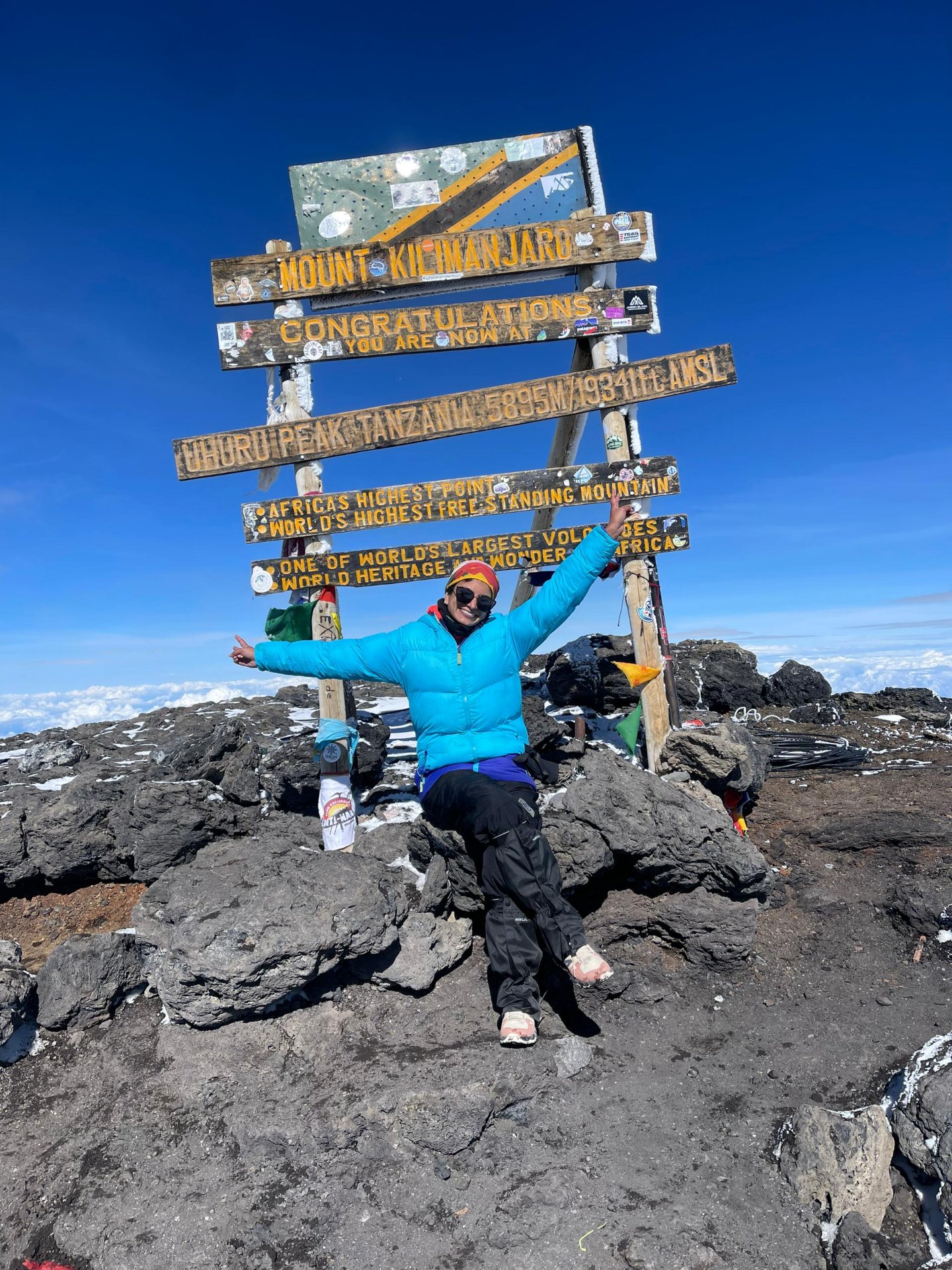
Tanzania stands as one of the most iconic safari destinations in the world, drawing travelers from across Europe seeking raw wilderness, dramatic landscapes, and unforgettable wildlife encounters. From the vast plains of the Serengeti to the lush crater floor of Ngorongoro, the country offers a level of diversity that few destinations can match. At Climb2Kili Adventures, we often see travelers begin their journey with Mount Kilimanjaro—reaching Uhuru Peak via routes like Machame or Lemosho—before continuing into Tanzania’s extraordinary national parks. This combination creates a seamless adventure: summit Africa’s highest mountain, then descend into the heart of safari country. In this guide, we explore the top national parks to visit in Tanzania, tailored for European travelers looking for both classic safaris and deeper, more meaningful travel experiences.
Serengeti National Park
World-famous for the Great Migration and endless plains filled with predators and herbivores.
Ngorongoro Crater
A unique volcanic caldera offering one of the highest wildlife densities in Africa.
Tarangire National Park
Known for massive elephant herds and iconic baobab trees.
Lake Manyara National Park
Compact but diverse park with tree-climbing lions and flamingos.
Serengeti National Park: The Ultimate Safari Experience
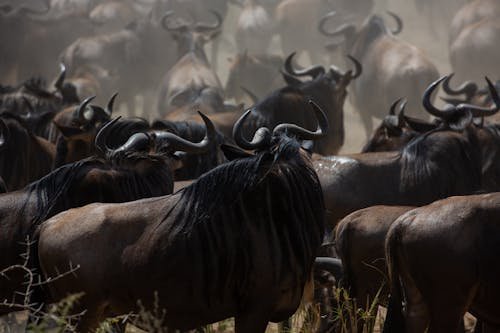
Serengeti National Park is often the first name that comes to mind when thinking about African safaris. Its vast plains stretch endlessly, creating a cinematic backdrop for one of the most spectacular wildlife events on Earth—the Great Migration. Each year, millions of wildebeest, zebras, and gazelles move in a circular pattern across the Serengeti ecosystem, followed closely by predators such as lions, cheetahs, and hyenas. For European travelers, this offers a chance to witness nature on a scale rarely seen elsewhere. Beyond the migration, Serengeti delivers exceptional year-round game viewing. Whether you visit during calving season or river crossings, the park consistently provides high-quality wildlife encounters.
Ngorongoro Crater: Africa’s Natural Wildlife Arena
The Ngorongoro Crater is a UNESCO World Heritage Site and one of the most unique safari destinations in Africa. Formed from a collapsed volcano, the crater creates a natural enclosure where wildlife thrives in remarkable density. Visitors can expect to see the Big Five—lion, elephant, buffalo, leopard, and rhino—within a single day. This makes Ngorongoro particularly appealing for European travelers on shorter itineraries who want maximum wildlife exposure in limited time. The scenery is equally impressive, with lush grasslands, soda lakes, and forested areas all within the crater walls.
Tarangire National Park: Elephants and Baobabs
Tarangire National Park offers a quieter, more intimate safari experience compared to Serengeti. It is especially known for its large elephant herds and ancient baobab trees that dominate the landscape. During the dry season, animals gather around the Tarangire River, creating excellent wildlife viewing opportunities. This park is often included at the start of Northern Circuit safaris departing from Arusha. For travelers who have just completed a Kilimanjaro climb—perhaps via the Machame or Lemosho routes—Tarangire provides a relaxed transition into safari life.
Lake Manyara National Park: Compact and Diverse
Lake Manyara National Park may be smaller than other parks, but it offers remarkable ecological diversity. From groundwater forests to open plains and a large alkaline lake, the park supports a wide variety of wildlife. It is famous for its tree-climbing lions and large flocks of flamingos. Many European travelers appreciate Lake Manyara as a short but rewarding stop, often combined with Ngorongoro and Tarangire.
| Park | Best For | Unique Feature | Ideal Stay |
|---|---|---|---|
| Serengeti | Migration & predators | Endless plains | 3–5 days |
| Ngorongoro | Big Five in one day | Volcanic crater | 1–2 days |
| Tarangire | Elephants | Baobab trees | 1–2 days |
| Lake Manyara | Short safaris | Tree-climbing lions | 1 day |
Itinerary builder
Shape the journey by stage
Use each stage to compare route days, safari extensions, rest nights, or Zanzibar add-ons without turning the page into a wall of text.
Selected stage
Climb days
Machame or Lemosho route for better acclimatization and summit success.
Best Time to Visit Tanzania’s National Parks
For European travelers, timing is crucial. The dry season from June to October offers the best wildlife viewing, as animals gather around water sources. This period also aligns well with summer holidays in Europe. January to March is ideal for calving season in the Serengeti, while April and May bring heavier rains but fewer crowds and lower prices. If you are combining safari with Kilimanjaro, the same dry seasons—January to March and June to October—offer the best climbing conditions.
Most travelers visit 2–4 parks, typically Serengeti, Ngorongoro, and Tarangire, for a balanced safari experience.
Yes, Tanzania is considered safe for tourists, especially when traveling with a reputable operator and guide.
Absolutely. Many travelers climb Kilimanjaro first, then enjoy a safari and finish with Zanzibar beaches.
Plan Your Tanzania Safari & Kilimanjaro Adventure
Our local experts will design a tailored Kilimanjaro climb and safari experience just for you.
Start PlanningPlan from this guide
Turn the research into a Tanzania trip
Compare related tours, browse destination guides, or ask our local team to shape the right route and pace.