
What Happens on Kilimanjaro Summit Night? Step-by-Step Guide
Discover exactly what happens on Kilimanjaro summit night, from midnight start to Uhuru Peak. Step-by-step guide for climbers with Climb2Kili Adventures.
Understanding Kilimanjaro Summit Night
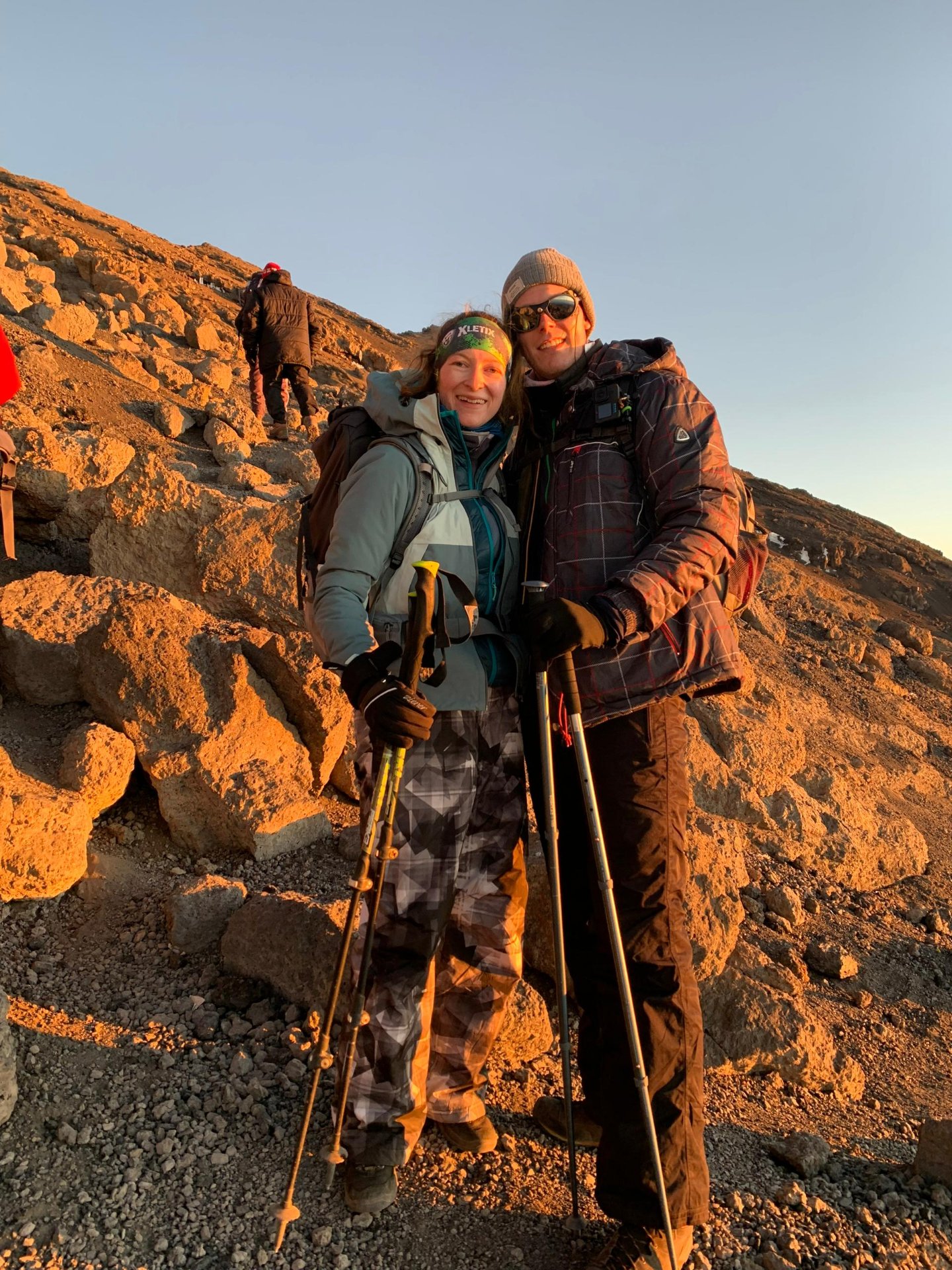
Summit night on Mount Kilimanjaro is the most challenging and emotional part of the entire climb. This is the final push to Uhuru Peak, the highest point in Africa, located on Kilimanjaro National Park in Tanzania. Climbers start their ascent from high camps such as Barafu Camp (Machame and Lemosho routes) or Kibo Hut (Marangu Route) in complete darkness, aiming to reach the summit at sunrise. This night tests your endurance, altitude strength, and mental determination. With Climb2Kili Adventures, climbers are guided step-by-step with professional mountain guides ensuring safety, pacing, and encouragement all the way to the top.
Step-by-Step Kilimanjaro Summit Night Journey
1. Midnight Wake-Up Call
Climbers wake up around 11:00 PM to prepare for the final ascent.
2. Light Meal & Gear Check
Hot tea and light snacks are served before checking headlamps and warm clothing.
3. Start of Ascent
The climb begins in darkness from Barafu Camp or Kibo Hut with slow steady pacing.
4. Reaching Stella Point
After hours of trekking, climbers reach the crater rim at Stella Point (5,756m).
5. Final Push to Uhuru Peak
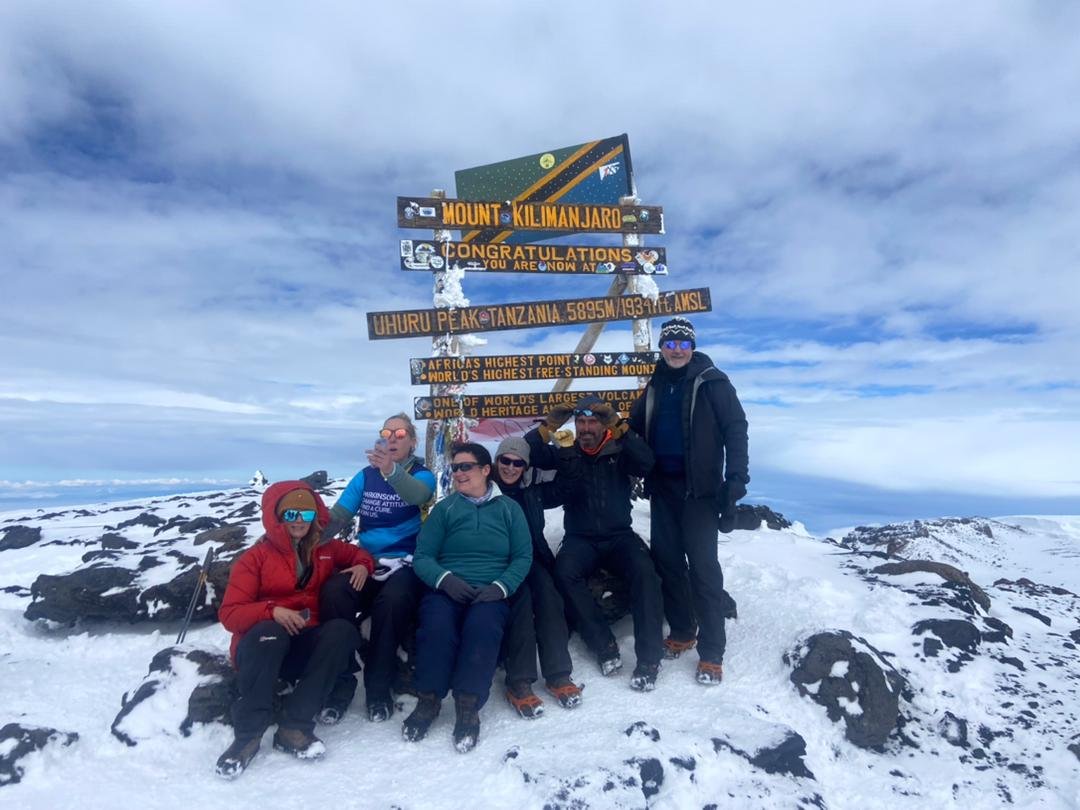
A final 1-hour walk leads to Uhuru Peak (5,895m), the Roof of Africa.
6. Sunrise Celebration
Climbers witness sunrise over Africa, celebrating achievement before descent.
Altitude Challenges During Summit Night
Summit night is not technically difficult, but altitude is the biggest challenge. As you climb higher toward Gilman’s Point and Uhuru Peak, oxygen levels drop significantly. Climbers may experience fatigue, headaches, or shortness of breath. Routes like Lemosho, Machame, and Northern Circuit are designed to improve acclimatization, increasing summit success rates. Climb2Kili guides maintain a slow, steady pace known as "pole pole" to help your body adjust safely.
Key Points You Pass on Summit Night
Search table
Find the detail faster
| Point | Altitude | Significance |
|---|---|---|
| Barafu Camp | 4,673m | Starting point of summit push |
| Hans Meyer Cave | 5,150m | Rest point during ascent |
| Gilman’s Point | 5,685m | First crater rim view |
| Stella Point | 5,756m | Main crater rim entry |
| Uhuru Peak | 5,895m | Highest point in Africa |
Mental Strength on Summit Night
Summit night is often described as 70% mental and 30% physical. The cold temperatures, long hours of walking, and darkness can be mentally exhausting. However, breaking the climb into small sections helps climbers stay focused. At Climb2Kili Adventures, guides motivate climbers step-by-step, ensuring everyone moves together as a team toward Uhuru Peak.
Summit night usually takes 6 to 8 hours of ascent and 4 to 6 hours of descent depending on the route.
The hardest part is the steep, slow ascent in cold temperatures above 5,000 meters with low oxygen levels.
Success depends on acclimatization, fitness, and route choice, but guided climbs significantly improve success rates.
Ready for Your Kilimanjaro Summit Experience?
Join Climb2Kili Adventures for safe, guided ascent to Uhuru Peak in Tanzania.
Plan Your ClimbPlan from this guide
Turn the research into a Tanzania trip
Compare related tours, browse destination guides, or ask our local team to shape the right route and pace.