
Is 50+ Years Too Old to Climb Kilimanjaro?
Is 50 too old to climb Kilimanjaro? Discover age limits, fitness requirements, safety tips, best routes, and expert guidance from Climb2Kili Adventures
Is 50 Too Old to Climb Kilimanjaro?
No — 50 is absolutely not too old to climb Mount Kilimanjaro. Age 50 is not a barrier to reaching Uhuru Peak, the highest point in Africa at 5,895 meters above sea level. Every year, climbers in their 40s, 50s, 60s, and even 70s successfully complete the trek. Kilimanjaro is not a technical mountain. You do not need ropes, ice climbing skills, or mountaineering experience. Instead, it is a long high-altitude trekking journey that depends more on endurance, pacing, acclimatization, and mental strength than age. At Climb2Kili Adventures, we regularly guide climbers over 50 who successfully reach the summit with proper planning, professional support, and well-designed itineraries.
Understanding Kilimanjaro is important before judging age limits. The mountain is located in Kilimanjaro National Park in Tanzania and is the world’s highest free-standing mountain. Climbers pass through five ecological zones: rainforest, heath, moorland, alpine desert, and Arctic summit zone. Each zone brings different challenges, but none require technical climbing skills. This is why Kilimanjaro is considered one of the most accessible high mountains in the world.
The biggest challenge on Kilimanjaro is altitude, not age. As you ascend, oxygen levels drop significantly. At the summit, oxygen is nearly 50% lower than at sea level. This affects all climbers equally, whether they are 25 or 55. What matters is how your body adapts to altitude changes. Some younger climbers struggle, while older climbers succeed due to patience, discipline, and slower pacing.
Many people assume that turning 50 reduces physical ability, but this is not always true. Today, many people in their 50s are active, healthy, and experienced in hiking, walking, or endurance sports. In fact, older climbers often have advantages: better mental preparation, patience, and respect for pacing. These qualities are extremely important on Kilimanjaro, where slow movement is essential for success.
However, recovery speed is one area where age can make a difference. Climbers over 50 may recover more slowly after long hiking days. This is why longer itineraries (7–9 days) are strongly recommended. Short routes increase the risk of altitude sickness and reduce summit success rates, especially for older climbers.
Fitness is more important than age. You do not need to be an athlete, but you should be able to walk 5–8 hours per day at a steady pace. If you can hike comfortably on hills or walk long distances without exhaustion, you can climb Kilimanjaro at 50. Training should focus on endurance, not speed or strength. Walking, stair climbing, cycling, and light hiking are ideal preparation activities.
One of the most important factors for climbers over 50 is route selection. Some routes are much safer and more beginner-friendly than others. The best options include Lemosho Route and Northern Circuit Route. These routes allow gradual ascent and better acclimatization. Rongai Route is also a good choice for a quieter and steady climb. Routes like Marangu or shorter itineraries are less ideal because they reduce time for acclimatization.
Altitude sickness is the main risk on Kilimanjaro. Symptoms include headache, fatigue, nausea, and dizziness. These symptoms are not caused by age but by how quickly you ascend. Climbers over 50 should focus on prevention strategies: slow walking (pole pole), drinking enough water, eating properly, and following guide instructions carefully. Professional guides from Climb2Kili Adventures monitor climbers daily and adjust pace when necessary to ensure safety.
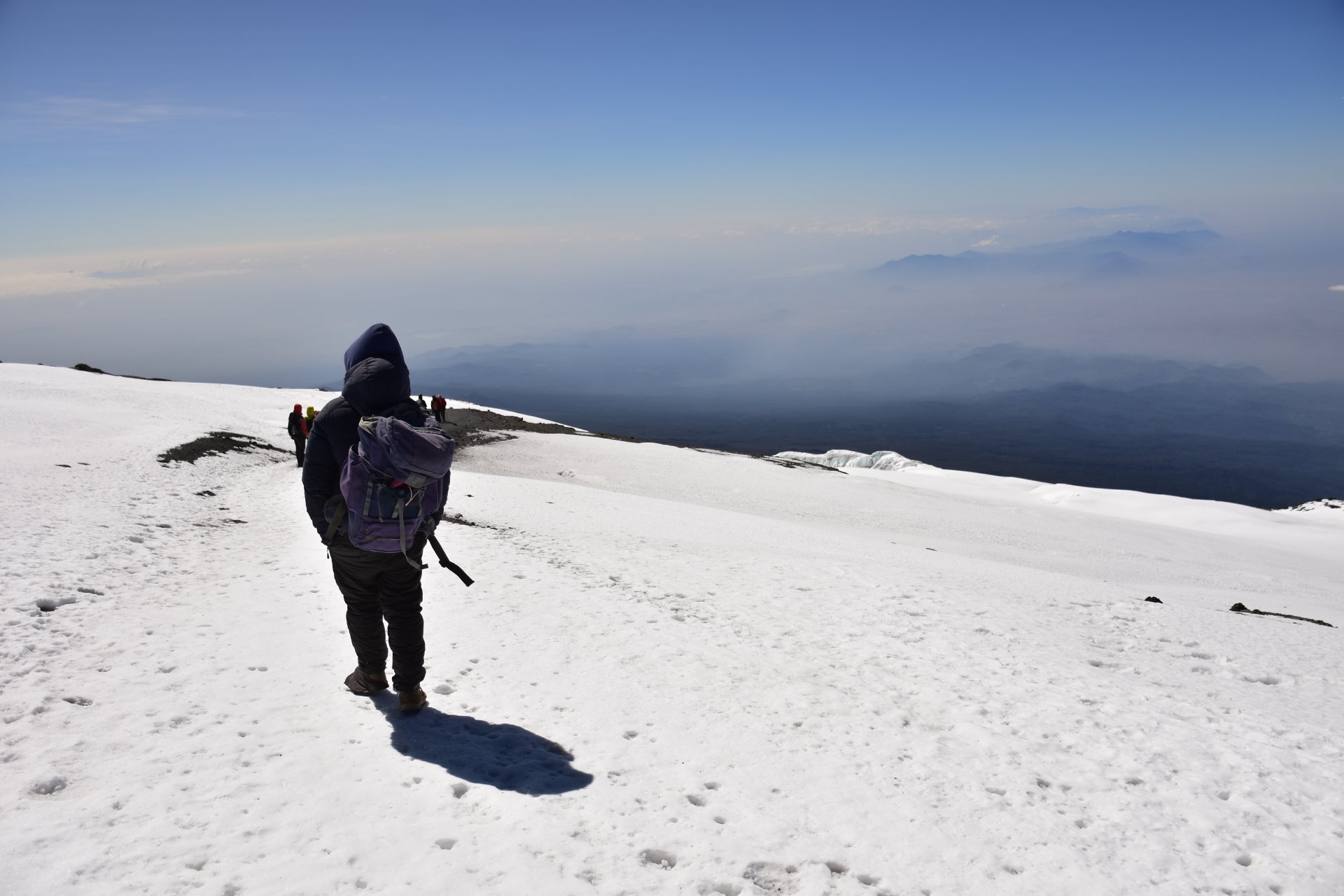
Summit night is the hardest part of the climb. Climbers start around midnight and ascend slowly in freezing temperatures toward Stella Point and Uhuru Peak. This section requires mental strength more than physical power. Many climbers over 50 succeed because they remain calm, focused, and patient. The key is steady progress, not speed.
Preparation for climbers over 50 should begin at least 6–10 weeks before departure. Training should include regular walking, stair climbing, and light strength exercises for legs and core. Practice hikes with a backpack are especially useful. The goal is to prepare your body for long trekking days and improve endurance.
Mental preparation is equally important. Kilimanjaro is not just a physical challenge but also a mental journey. You will experience cold nights, long days, and slow progress. Staying patient and positive is critical for success. Many older climbers perform better mentally because they understand endurance and pacing better than younger, faster hikers.
At Climb2Kili Adventures, we design climbs specifically for safety and success. Climbers over 50 are given longer itineraries, experienced guides, and close health monitoring throughout the trek. We believe age should never limit adventure. With the right preparation, Kilimanjaro is achievable for almost anyone in good health.
No, 50 is not too old. Many climbers over 50 successfully reach the summit every year.
There is no best age. Fitness, preparation, and acclimatization matter more than age.
Not necessarily. With proper pacing and longer routes, older climbers do very well.
Lemosho and Northern Circuit routes are best due to gradual ascent and better acclimatization.
Age is Not a Barrier — Start Your Kilimanjaro Journey
Climb2Kili Adventures helps climbers of all ages reach Uhuru Peak safely with expert guides and well-planned itineraries.
Plan Your ClimbPlan from this guide
Turn the research into a Tanzania trip
Compare related tours, browse destination guides, or ask our local team to shape the right route and pace.