
Ethical Kilimanjaro Climbing Guide
Learn how to climb Kilimanjaro responsibly. Discover ethical practices, porter welfare, and how to choose the right operator for a safe climb.
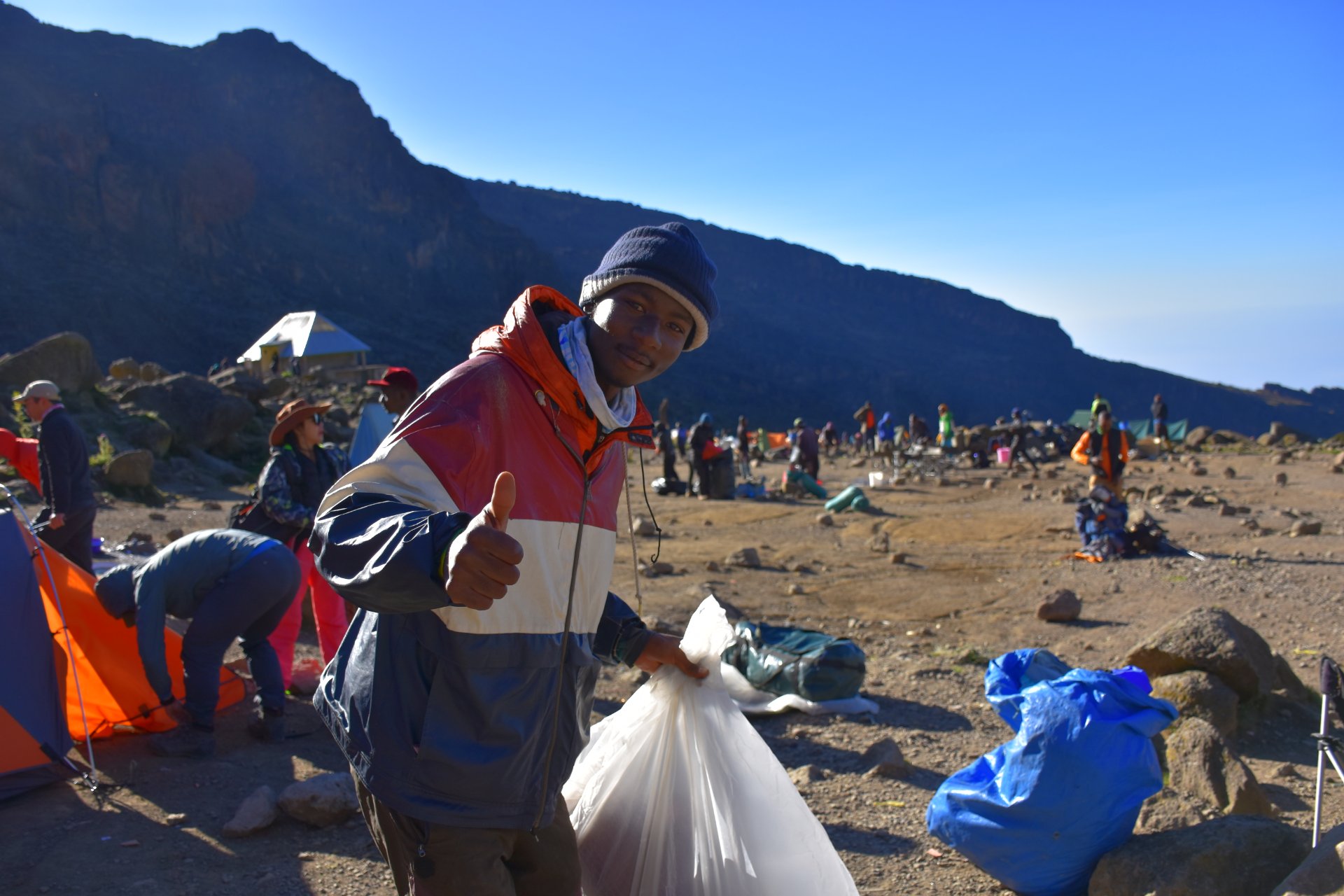
Behind Every Summit: The Hidden Story
Climbing through Kilimanjaro National Park toward Uhuru Peak is a shared journey. Whether you choose the Machame, Lemosho, Marangu, or Rongai route, your success depends on a strong mountain team. Porters carry equipment, prepare camps, and support every step of your climb. Yet, not all expeditions treat these teams fairly. While some operators maintain high ethical standards, others reduce costs in ways that directly impact porter welfare.
Unsafe Gear Conditions
Some porters climb without proper cold-weather equipment.
- Worn-out boots
- No insulation layers
- Exposure to extreme cold
Limited Food Supply
Insufficient nutrition reduces strength and safety at altitude.
- Low-calorie meals
- Lack of protein
- Irregular meal schedules
Unfair Wages
Underpayment forces porters to work under pressure.
- Below standard pay
- Delayed payments
- No compensation if sick
Health Risks
Lack of support increases danger at high altitude.
- Altitude sickness risks
- No evacuation support
- Overexertion
Why Porters Accept Tough Conditions
In towns like Moshi and Arusha, porter work is one of the most accessible income sources. Many young Tanzanians join expeditions to support their families and build a future in tourism. Working on routes like Northern Circuit or Umbwe can be physically demanding, but it also offers a pathway to becoming a guide. This opportunity keeps many in the system, even when conditions are challenging.
Real Consequences on the Mountain
Without proper support, porters face serious risks while trekking through high-altitude zones like Stella Point and Gilman’s Point. Exhaustion, cold exposure, and untreated altitude sickness can lead to dangerous situations. Ethical climbing is not just about reaching the summit—it is about ensuring that everyone on the mountain returns safely.
How to Choose an Ethical Kilimanjaro Operator
Check Certifications
Choose operators aligned with recognized porter welfare standards.
Avoid Cheap Prices
Unrealistically low prices often mean compromised safety.
Ask Direct Questions
Understand wages, meals, and safety procedures clearly.
Review Company Values
Look for transparency and commitment to ethical travel.
Why Ethical Climbing Matters
Choosing a responsible operator ensures fair treatment for the team supporting your journey. It also enhances your own experience, creating a stronger connection between climbers and crew. At Climb2Kili Adventures, we believe every step toward Shira Peak or Mawenzi Peak should reflect respect, safety, and shared success.
It means choosing a company that ensures fair wages, proper gear, food, and safety for porters and guides.
Look for transparency, fair pricing, and adherence to porter welfare standards.
It reflects the true cost of a safe and fair expedition, but ensures quality and responsibility.
They are essential to every climb, carrying gear, setting camps, and supporting climbers throughout the journey.
Climb Kilimanjaro the Right Way
Join Climb2Kili Adventures for a safe, responsible, and unforgettable Kilimanjaro experience.
Plan Your Ethical ClimbPlan from this guide
Turn the research into a Tanzania trip
Compare related tours, browse destination guides, or ask our local team to shape the right route and pace.