
Discover Lushoto Mountains
Explore Lushoto in Tanzania’s Usambara Mountains with its history, Sambaa and Mbugu culture, waterfalls, hiking trails, and mountain heritage.
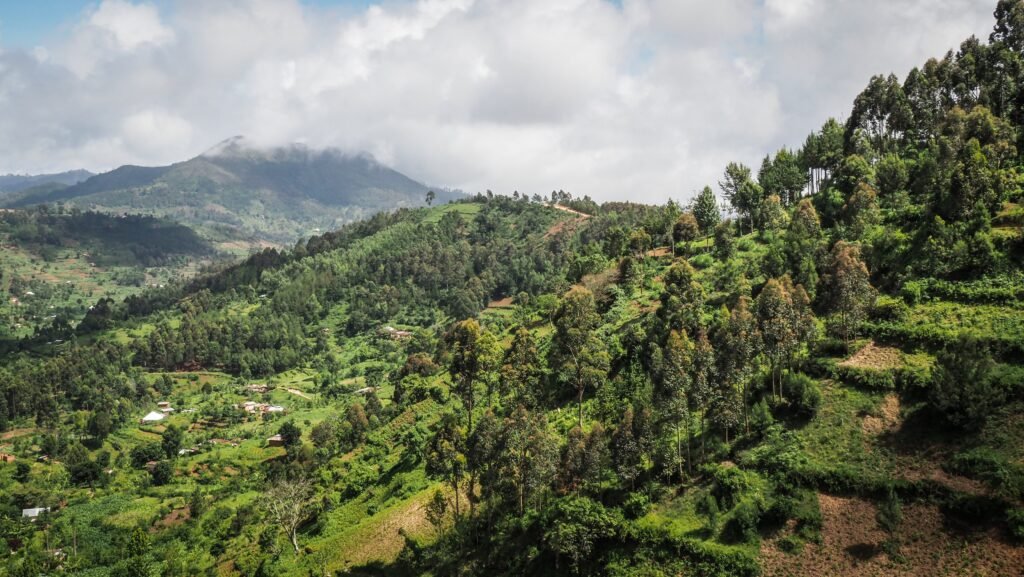
Discover the Soul of Lushoto
Hidden within the cool green highlands of Tanzania’s Usambara Mountains, Lushoto is one of East Africa’s most peaceful and culturally rich mountain destinations. Located in the Tanga Region, this historic mountain town is known for its breathtaking landscapes, fertile valleys, traditional villages, German colonial history, and welcoming mountain communities. While many travelers visit Tanzania for Mount Kilimanjaro, Serengeti National Park, Ngorongoro Crater, or Zanzibar beaches, Lushoto offers a completely different side of the country — quieter, greener, deeply cultural, and connected to mountain life. The region combines scenic hiking trails, cloud forests, panoramic viewpoints, waterfalls, and centuries-old traditions that continue to shape daily life. At Climb2Kili Adventures, mountain culture is part of who we are. The founder of Climb2Kili Adventures, Francis, carries both Chagga and Mbugu heritage. His mother belongs to the Wambugu community and was born near the Kibohero River in the Lushoto highlands. Growing up with roots connected to both Kilimanjaro and the Usambara Mountains created a strong connection to Tanzania’s mountain traditions, storytelling, hospitality, and nature. That mountain identity continues to inspire the spirit of Climb2Kili Adventures today.
Mountain Landscapes
Rolling green hills, forests, and panoramic valleys define the Usambara Mountains.
- Cool climate
- Scenic viewpoints
- Fertile mountain valleys
Rich Culture
Lushoto is home to vibrant Sambaa and Mbugu traditions.
- Traditional villages
- Local storytelling
- Mountain heritage
Historic Atmosphere
German colonial architecture and history remain part of Lushoto’s identity.
- Historic buildings
- Colonial legacy
- Cultural landmarks
Hiking Paradise
The Usambara Mountains offer some of Tanzania’s best hiking routes.
- Village trekking
- Forest walks
- Waterfall trails
The History of Lushoto
The history of Lushoto stretches back generations through the mountain communities of the Usambara region. The area became especially important during the German colonial period in East Africa because of its cool mountain climate and fertile land. German settlers established administrative centers, mission stations, farms, and mountain roads throughout the Usambara Highlands. Lushoto was originally known as Wilhelmstal during German colonial rule. The town later became one of the most important administrative and agricultural centers in the mountains. Many historic buildings from the colonial era still remain today, giving the town a unique atmosphere unlike most places in Tanzania. Long before colonial influence, the Usambara Mountains were home to indigenous mountain communities who developed farming systems, cultural traditions, and trade routes adapted to the fertile highland environment. Agriculture continues to shape life in Lushoto today, with local communities growing vegetables, fruits, spices, tea, and coffee across the mountain slopes.
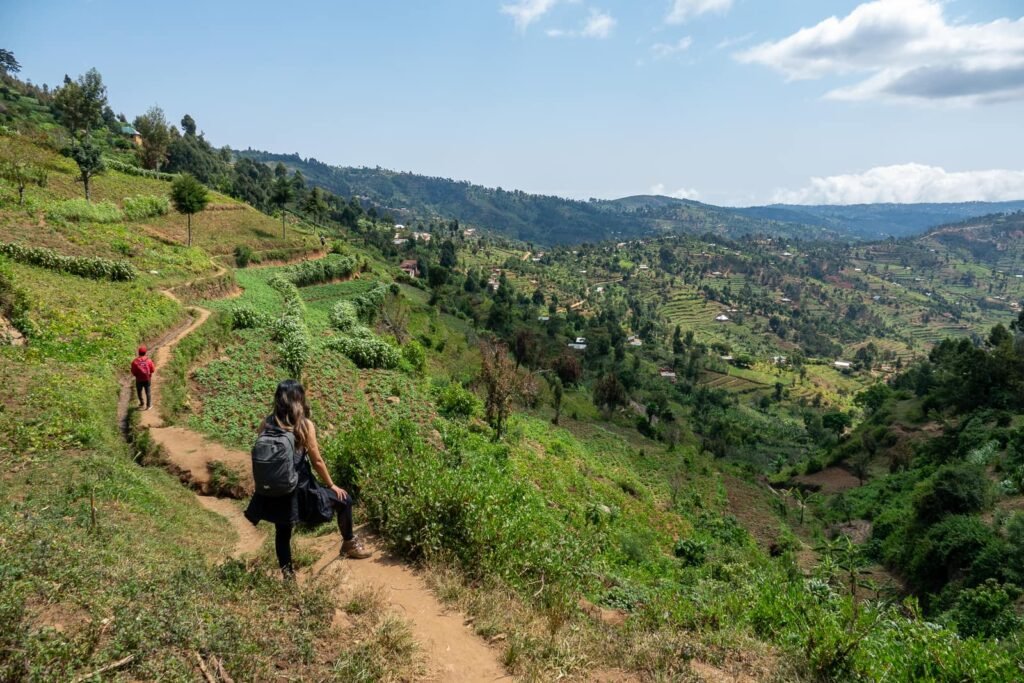
The Sambaa and Mbugu Communities
The Usambara Mountains are home to several ethnic communities, with the Sambaa people being among the most well-known in the region. The Sambaa have lived in the mountains for centuries and are deeply connected to the forests, hills, farming traditions, and spiritual identity of the Usambara Highlands. Another important mountain community is the Wambugu people, also known as the Mbugu. The Mbugu community has strong roots in the mountain regions of northeastern Tanzania and maintains a rich cultural identity shaped by generations of life in the highlands. Traditional mountain culture in Lushoto is built around respect for nature, farming knowledge, storytelling, music, and strong family connections. Visitors exploring villages around Lushoto often experience local hospitality, traditional foods, handmade crafts, and stories passed down through generations. For Climb2Kili Adventures, this mountain heritage is personal. Founder Francis grew up connected to both Chagga traditions from Kilimanjaro and Mbugu heritage from the Usambara Mountains. His mother was born near the Kibohero River in Lushoto, a place surrounded by green hills, farming communities, and mountain traditions. This dual mountain identity — Kilimanjaro and Usambara — shaped the values behind Climb2Kili Adventures: respect for local culture, deep mountain knowledge, patience, and authentic Tanzanian hospitality.
Sambaa Heritage
One of the oldest mountain cultures in northeastern Tanzania.
- Traditional farming
- Mountain villages
- Cultural storytelling
Mbugu Identity
A historic mountain community connected to the Usambara Highlands.
- Highland traditions
- Community heritage
- Local knowledge
Mountain Hospitality
Visitors experience warm and authentic cultural interactions.
- Traditional meals
- Village visits
- Friendly local culture
Cultural Roots of Climb2Kili
Mountain heritage influences the spirit of the company.
- Chagga and Mbugu roots
- Mountain upbringing
- Authentic guiding philosophy
Nature and Landscapes of the Usambara Mountains
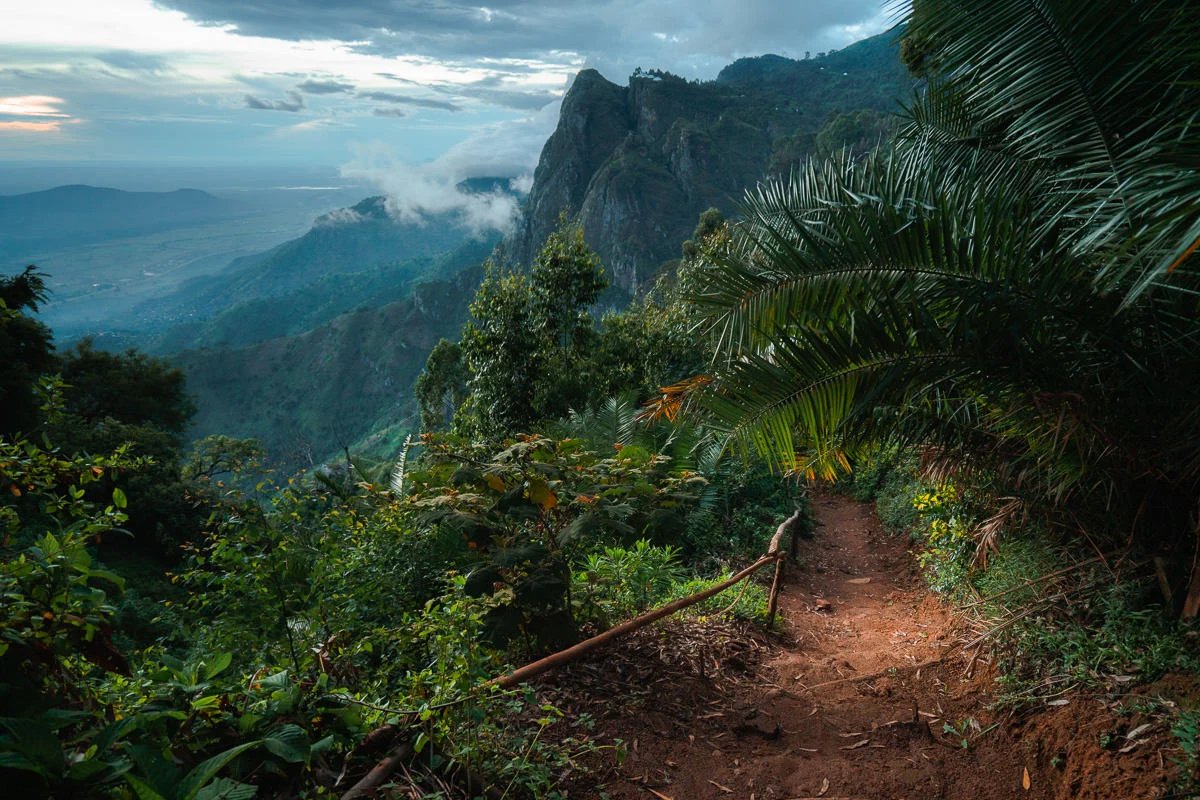
The Usambara Mountains are part of the ancient Eastern Arc Mountain chain, one of Africa’s most biodiverse ecological regions. The forests surrounding Lushoto contain unique plant species, birds, butterflies, and wildlife found nowhere else in the world. Lushoto’s cool climate makes the region ideal for hiking and outdoor exploration throughout much of the year. Travelers can explore forest trails, tea farms, waterfalls, and dramatic viewpoints overlooking endless valleys. Some of the most famous attractions near Lushoto include Irente Viewpoint, Magamba Forest, Kisasa Waterfalls, and traditional villages spread across the mountain slopes. Sunrise and sunset in the Usambara Mountains create spectacular golden light across the rolling green hills.
| Attraction | Experience |
|---|---|
| Irente Viewpoint | Panoramic mountain and valley views |
| Magamba Forest | Forest hiking and birdlife |
| Kisasa Waterfalls | Scenic waterfall trekking |
| Village Trails | Cultural encounters and local farming life |
Hiking and Outdoor Adventures
Lushoto is one of Tanzania’s best hiking destinations outside Mount Kilimanjaro. The region offers scenic walking routes through forests, villages, farms, and ridgelines with fresh mountain air and beautiful views. Unlike the high-altitude challenge of Kilimanjaro’s Machame, Lemosho, Marangu, or Rongai routes, hiking in Lushoto is slower, cultural, and deeply connected to everyday mountain life. Travelers often spend time speaking with local communities, learning about farming traditions, and exploring hidden viewpoints. For travelers visiting Tanzania before or after a Kilimanjaro climb, Lushoto provides a peaceful mountain escape with a completely different atmosphere from Moshi or Arusha.
Why Travelers Love Lushoto
Relative scores for storytelling — pair with your own context in surrounding paragraphs.
Best Time to Visit Lushoto
Lushoto can be visited year-round thanks to its mild mountain climate. The dry seasons from June to October and January to March are especially popular for hiking and photography. During the rainy seasons, the mountains become even greener and more dramatic, although some trails may become muddy. The cooler temperatures make Lushoto an excellent destination for travelers seeking relief from hotter lowland areas. Because of its altitude and mountain weather, evenings in Lushoto can feel surprisingly cool compared to coastal Tanzania or safari regions.
Lushoto and Tanzania’s Mountain Identity
Tanzania is a country shaped by mountains. From the snow-capped summit of Mount Kilimanjaro to the green valleys of the Usambara Mountains, mountain communities have built cultures connected to farming, storytelling, hospitality, and respect for nature. At Climb2Kili Adventures, this connection to mountain life goes beyond tourism. The company was built by people whose roots come directly from Tanzania’s mountain regions. Founder Francis carries both Chagga heritage from Kilimanjaro and Mbugu heritage from the Lushoto highlands near the Kibohero River. This background influences how Climb2Kili Adventures welcomes travelers today — not simply as tourists, but as guests invited to experience the landscapes, traditions, and mountain spirit of Tanzania in an authentic way.
Lushoto is located in the Usambara Mountains in Tanzania’s Tanga Region in northeastern Tanzania.
Lushoto is famous for mountain scenery, hiking trails, cool climate, waterfalls, forests, and traditional mountain culture.
The region is home to several communities including the Sambaa and Mbugu people.
Yes. Lushoto offers some of Tanzania’s best cultural and nature hiking experiences outside Mount Kilimanjaro.
Absolutely. Many travelers combine Lushoto with Kilimanjaro trekking, safaris in northern Tanzania, or Zanzibar holidays.
Lushoto combines mountain landscapes, cultural heritage, biodiversity, cool weather, and authentic village life in one destination.
Explore Tanzania Beyond Kilimanjaro
Discover mountain culture, hiking adventures, wildlife safaris, and authentic local experiences with Climb2Kili Adventures.
Plan Your Tanzania JourneyPlan from this guide
Turn the research into a Tanzania trip
Compare related tours, browse destination guides, or ask our local team to shape the right route and pace.