Welcome To climb2kili Adventures

Materuni Water Falls Day Trip

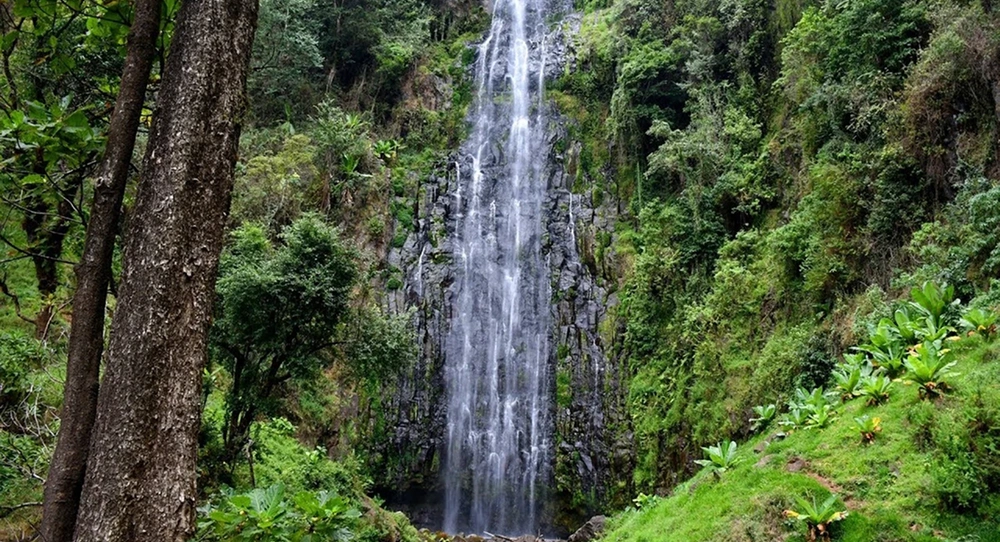
Materuni Waterfalls is one of the most beautiful and accessible waterfalls near Moshi, Tanzania. It’s located in Materuni Village, nestled in the lush foothills of Mount Kilimanjaro, about 15 km from Moshi town.

Overview of Materuni Waterfalls

Location:

  • Materuni Village, Moshi Rural District, Kilimanjaro Region
  • About 45–60 minutes’ drive from Moshi town
  • Situated at about 1,600 meters (5,200 ft) above sea level

The Waterfall Itself

  • The waterfall is around 80–150 meters high (sources vary slightly).
  • It’s fed by pure glacier water from Mount Kilimanjaro.
  • The waterfall pool is cold but clean—many visitors enjoy taking a quick swim.
  • Surrounded by lush rainforest, banana plantations, and small farms—it’s incredibly scenic and serene.

The Hike to the Falls

  • The walk from the village to the waterfall takes 30–45 minutes each way.
  • You’ll walk through Chagga farmland, crossing small streams, coffee and banana plantations, and scenic forest.
  • It’s moderate in difficulty: suitable for most people, though there are some slippery or rocky parts.
  • Along the way, local guides share knowledge about the flora, culture, and Kilimanjaro region.

Coffee Tour

  • One of the best parts of the visit is the interactive coffee-making tour with local Chagga families:
  • You’ll learn how coffee is grown, harvested, dried, roasted, and ground—all by hand.
  • You’ll help in the process, sing local songs while grinding beans, and taste fresh organic Arabica coffee brewed on the spot.
  • Most tours also offer a traditional Chagga meal (often includes banana stew, rice, beans, and local vegetables).
  • You may also get a chance to try “mbege”, a traditional Chagga banana beer.

Local Community

  • Materuni is home to the Chagga people, one of Tanzania’s largest ethnic groups.
  • By visiting, you support local tourism, with many tours run by cooperatives or families.
  • Cultural experiences—such as traditional dances, music, and crafts—are sometimes included in extended tours.

What Makes Materuni Special?

  • Combination of nature + culture: You get a waterfall, forest, and coffee experience in one.
  • Close to Moshi: Easy to reach for a half-day or full-day trip.
  • Less touristy than some other attractions.
  • Educational and hands-on: You leave with knowledge about coffee, culture, and Chagga history.
  • Great for photos: The trail and the waterfall are very photogenic.

Best Time to Visit

  • Dry season (June to October) is best for hiking—less slippery trails.
  • Rainy season (March to May) makes the waterfall more dramatic but hiking can be muddy.

What to Bring

  • Comfortable walking/hiking shoes
  • Swimsuit and towel (if planning to swim)
  • Rain jacket (weather can change quickly)
  • Sunscreen and insect repellent
  • Camera or phone for photos
  • Cash (for local crafts, tips, or extra snacks)

Price

No of Pax Price Per Person
Per Person $80 USD
2 Persons $60 USD
3-4 Persons $50 USD
5- 10 Persons $45 USD

Package include

  • Guided waterfall hike
  • Private transport from/to Moshi
  • Entry fees (Materuni Village & Waterfall)
  • English‑speaking local guide
  • Coffee tour (bean → roast → brew)
  • Chagga picnic‑style hot lunch
  • Traditional Chagga dance
  • Local banana‑beer tasting
  • Bottled drinking water

Weather, Seasons & Timing

January to March

These months offer the warmest conditions, with clear skies typically in the mornings and evenings. Light clouds may develop during the day, occasionally obscuring the summit by the afternoon. It’s an ideal time to climb for those who appreciate pleasant temperatures and stunning, unobstructed views.

April to May

The long rainy season begins in April and continues through May, bringing heavy rainfall to the lower slopes and snowstorms at the summit. During this time, the mountain is frequently shrouded in dense clouds, limiting visibility and obscuring the scenic views. Climbing conditions can be challenging, so it’s generally advisable to avoid attempting a climb during this period.

June to October

This period is the driest and among the most popular times to climb Mount Kilimanjaro. Clear skies are common, providing excellent visibility and ideal trekking conditions. While the days are generally pleasant, temperatures can drop significantly at night, particularly at higher elevations.

Late October to November

From late October through November, short rains bring increased cloud cover and wetter conditions. Although climbing is still possible during this time, the mountain is frequently obscured by clouds, and the rain can make the trek more challenging and less enjoyable.
What Our Happy Customers Say ! ❤️

Climb2Kili Adventures delivered an unforgettable journey filled with cultural richness, breathtaking landscapes, and genuine hospitality. The guides were professional, engaging, and made every moment meaningful.
James M

From start to finish, everything was perfectly organized. Climb2Kili Adventures showed us hidden gems and local culture in a way that felt real and unforgettable.
Aisha K

A truly immersive experience! I loved how the team connected us with local traditions and people. It felt like traveling with friends who know the land.
Liam T

The perfect combination of adventure, learning, and relaxation. Climb2Kilis Adventures exceeded expectations with friendly guides, unique activities, and a strong focus on local authenticity.
Grace N

Excellent service and thoughtful planning throughout the trip. Climb2Kili Adventures gave us deep insights into local life while ensuring we were always comfortable and safe.


Carlos R