
2 Days Tanzania Safari Guide
Plan a 2 days Tanzania safari to Tarangire and Ngorongoro Crater. Full itinerary, cost, wildlife, best time, and expert tips.

Why This Short Safari Works So Well
Big Five Opportunity
Excellent wildlife density across two parks.
- Lion and elephant common
- Rhino possible in crater

Time Efficient
Maximize wildlife in just two days.
- Perfect short stay
- Great weekend safari

Kilimanjaro Add-On
Seamless extension after summit.
- After Uhuru Peak
- Recovery-friendly pacing

Expert Planning
Handled by local specialists.
- Arusha & Moshi pickup
- Smooth logistics
2 Days Tanzania Safari Itinerary
Day 1: Tarangire National Park
Your safari begins in Arusha with an early departure to Tarangire National Park, known for its large elephant herds and iconic baobab trees. The drive takes approximately 2–3 hours. You will enjoy a full-day game drive with a picnic lunch inside the park. Wildlife sightings often include elephants, giraffes, zebras, wildebeest, and lions. The experience is immersive and well-paced, allowing you to fully enjoy the landscape. In the late afternoon, you transfer to your lodge or tented camp for dinner and overnight.

Day 2: Ngorongoro Crater Safari
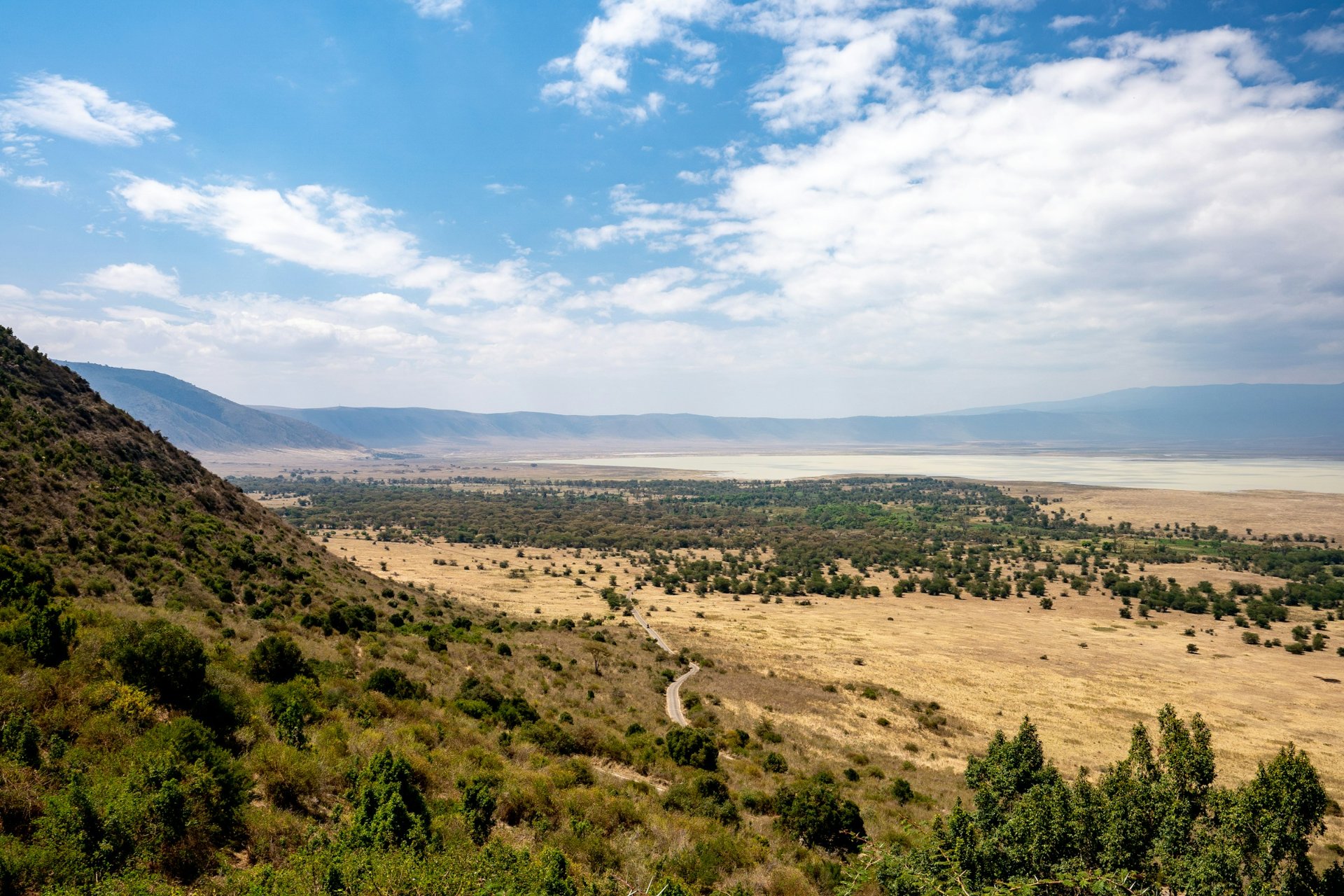
After breakfast, you drive to the Ngorongoro Conservation Area and descend into the Ngorongoro Crater. This unique ecosystem offers one of the highest concentrations of wildlife in Africa. During your half-day game drive, you may see lions, buffalo, hippos, flamingos, and the rare black rhino. After a picnic lunch inside the crater, you return to Arusha in the late afternoon, completing your safari.

Safari Cost and Planning
| Category | Estimated Price |
|---|---|
| Budget | $450 – $600 |
| Mid-range | $600 – $750 |
| Luxury | $750 – $900+ |
The cost of a 2 days Tanzania safari depends on accommodation level, group size, and season. Private safaris offer flexibility and a more personalized experience. At Climb2Kili Adventures, we apply the same standards used on Kilimanjaro — prioritizing safety, expert guiding, and well-planned logistics rather than low-cost shortcuts.
Best Time for a 2-Day Safari
Seasonal Conditions
Relative scores for storytelling — pair with your own context in surrounding paragraphs.
The best time for this safari is during the dry season from June to October, when wildlife is easier to spot. January to March offers fewer crowds and beautiful green landscapes. If you are climbing Kilimanjaro via Machame, Lemosho, or Marangu routes, we align safari timing for optimal weather and recovery.
Frequently Asked Questions
FAQ search
Answers without the scroll
Yes, it is enough to experience excellent wildlife viewing, especially in Tarangire and Ngorongoro Crater.
You have a strong chance, especially in Ngorongoro Crater, though rhino sightings are not guaranteed.
Yes, Tanzania is one of the safest safari destinations when traveling with a licensed operator.
Most travelers need a visa, which can be obtained online or on arrival.
Lightweight clothing, camera, sunscreen, and binoculars are recommended.
Yes, many travelers add this safari after climbing Kilimanjaro via Machame, Lemosho, or Northern Circuit.
Most safaris start and end in Arusha, with optional pickup from Moshi.
Expect elephants, lions, zebras, giraffes, buffalo, and possibly rhinos.
Start Your 2-Day Tanzania Safari
We design seamless Kilimanjaro and safari experiences with expert local guidance.
Plan Your Trip